
11 Habits of 75-Year-Olds Who Feel Decades Younger, According to Psychology

Staying young at heart past seventy-five is not a lucky draw, and it is definitely not the reward for repeating cheerful slogans to yourself each morning. The men and women who greet their mid-seventies with bright eyes and quick laughter earned that vitality the slow way — through close to twenty years of modest, deliberate decisions made over and over.
Psychologists who study aging keep landing on the same finding: the seventy-five-year-olds who feel far younger than the calendar says almost always share a set of quiet, repeatable routines. No costly programs, no grueling regimens — only calm, everyday practices that keep the mind limber and the spirit hardy.
Here is the encouraging part: none of these routines demands a personality transplant. Each one is small enough to start this week, and together they build the mental and emotional reserves that youthful seventy-five-year-olds draw on every single day.
At a Glance
⏱️
Timeframe
Daily practice
🧠
Core Focus
Mental flexibility
🎯
Main Result
Lasting vitality
What Really Keeps the Mind Young After 70

Ask most people how to keep your mind sharp with age and they will hand you a crossword puzzle. It sounds sensible, but psychologists say the puzzle habit barely moves the needle.
The deeper problem is comfort itself. When each day replays the last — identical routes, identical routines, identical small talk — the brain’s wiring coasts on autopilot, never once asked to reach further.
What truly defends a nimble mind is chosen mental resistance: adopting a completely foreign skill, tolerating the bewildered clumsiness it brings, and refusing to quit. That useful strain is what keeps the brain’s capacity to rewire itself switched on.
The price is plain and non-negotiable. You sign up for the daily annoyance of incompetence at new pursuits — the botching, the blanking, the beginning again. That unease is the genuine price of a flexible mind, and those who feel young at seventy-five settled the bill long ago.
1. Welcoming Small Surprises Into Ordinary Days

Time after time each day, your brain defaults to whatever costs it least — the familiar option demands nothing, so your attention happily disengages.
That smooth coasting flatters you in the moment, but the bill comes due quietly: season after season of unbroken routine gradually files down your adaptive edge — the suppleness that keeps thought limber.
The antidote is mercifully small. Exchange a slice of frictionless autopilot for minor daily grit — brush with your non-dominant hand, wander down an unknown street, attempt one strange recipe, or play music from a genre you normally avoid. A flash of awkwardness buys you durable mental elasticity.
Begin tomorrow with one substitution: as you step outside, choose the unknown side street rather than drifting down the habitual one. A single small detour wakes the entire system.
💡 Tip
Change one tiny routine every Monday morning — and keep it changed all week.
💡 Pro Tip
Break the Autopilot Loop
Small daily disruptions to your routine are enough to keep neural circuits active without adding stress to your day. Novelty is the workout; consistency is the result.
2. Pruning Your Social Life Like a Garden

Why do we keep giving our scarcest evenings to relationships that feel like heavy lifting instead of genuine company?
Across the decades, most of us gather social duties the way a shed gathers boxes — through inertia, not intention. We mistake the length of an acquaintance for its worth, and keep showing up out of a loyalty nobody actually asked for.
Picture the familiar scene: a whole Tuesday night spent absorbing complaints from someone who will change nothing, while you nod along and feel your own evening dissolve into a fog of polite fatigue.
That steady drip becomes chronic mental fatigue, and suddenly there is nothing left over for the people who truly light up your days. So treat your circle the way a gardener treats a rose bed — not as a museum to be preserved untouched, but as living ground that needs regular pruning to flourish.
Look honestly at your calendar and guard your attention: step gently out of the loops of endless grievance, and make deliberate room for curiosity and ease instead.
💡 Tip
Turn down one draining invitation this week — kindly, briefly, and without over-explaining.
| Social Audit — At a Glance | Your Rule |
|---|---|
| 👥 Frequency | Zero mandatory check-ins with chronic complainers |
| ⚡ Threshold | Two straight rounds of unacted grievance before stepping back |
| 🛡️ Exception | Keep lifelong bonds going through a temporary crisis |
| 🎯 Action Metric | Move 4 drained Tuesday hours weekly into mutual curiosity |
3. Talking to Your Body Like a Friend, Not a Foe
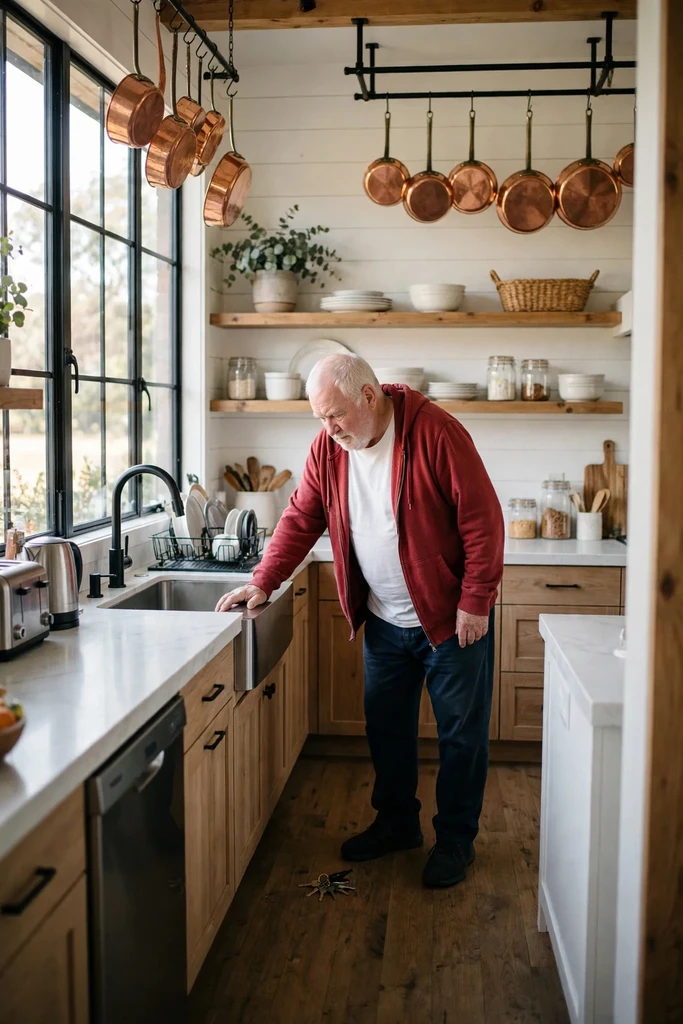
Your keys clatter onto the kitchen floor; you stoop to retrieve them and a sharp twinge shoots through your lower back. You straighten up, wince, and announce that everything is falling apart now.
That throwaway remark carries more weight than you think. How you talk about your body quietly trains your nervous system to expect breakdown rather than recovery — turning a fleeting strain into a fixed, lasting sentence.
Listen for the narration that runs aloud whenever a small ache appears. Your choice of words decides whether you are handling your body like a machine due for a tune-up or a building already condemned.
Trade the doom-laden label for a precise observation, using these exact words. Instead of saying I am falling apart, say my lower back is stiff today because I sat too long. Then close with a practical next step, such as I will go walk for ten minutes to loosen it up.
💡 Tip
Swap “I am too old for this” for “My muscles need a proper warm-up today.”
Language Shifts
💬 Banned phrase: getting old
🔄 Required window: first 3 seconds after the ache
🌱 Skip this if an injury genuinely needs surgery
4. Turning Everyday Chores Into Playtime

The usual prescription for staying active past sixty tends to look like sixty silent minutes on a treadmill, eyes fixed on a wall. On paper it works — in practice the room empties within weeks.
Scientists who study long-lived populations keep surfacing the same result: stiff, joyless exercise regimes lose most of their followers, while movement sewn into everyday life quietly persists for decades.
Those who remain physically spry deep into their seventies generally swap gym appointments for garden beds, floor stretches, and spontaneous balance play. Try perching on one leg while the kettle boils, or turn Saturday chores into a friendly physical game.
Keep it playful and keep it varied — that is the whole secret.
💡 Tip
Balance on one leg for thirty seconds while brushing your teeth.
🏃 Movement Progression
Step 1: Awareness. Notice how much of your day passes sitting still.
Step 2: Integration. Weave short bursts of balance and stretching into daily chores.
Step 3: Play. Take up active hobbies that never feel like workouts.
5. Treating Sleep Like a Sacred Appointment

“Once the house settles tonight, I’ll finally get everything done.” Recognize that voice?
Pose yourself one straight question tonight: are you swapping tomorrow morning for a lit-up hour of scrolling you won’t recall by midday?
Answer honestly, and you may find you’re running each day at a loss — a shortfall that gradually frays patience, clouds concentration, and hurries the body’s wear.
Treat bedtime like an appointment with someone who matters: shut the tabs at ten, leave unfinished business for daylight, and defend the single recovery tool no supplement can replace. Seventy-five-year-olds who feel youthful are usually delightfully dull about their sleep — and the payoff shows everywhere else.
💡 Tip
Power down every screen forty-five minutes before lights-out.
| Rest Protocol Effectiveness | Impact | What To Do |
|---|---|---|
| 📱 Screen Curfew | Essential | Sharply deepens sleep quality |
| Caffeine Cutoff | Very High | Stop all caffeine by two in the afternoon |
6. Staying Hungry to Know How Things Work

Acting as if you grasp how things work buys you a moment’s comfort — while silently schooling your brain to stop examining the world.
Nodding along may feel like reputation management, but everyone else reads it as mild disinterest in discovering anything new.
The concealed price of appearing polished runs high: a mind that hardens for want of fresh input, a fraction more rigid every year.
So stop faking familiarity. Pause and ask one honest question about how something actually functions, or spend ten minutes learning the history of an ordinary object sitting on your desk. Hunger to know is a muscle — feed it and it stays strong.
💡 Tip
Chase down one unfamiliar question every single week.
7. Setting Down the Weight of Old Grievances
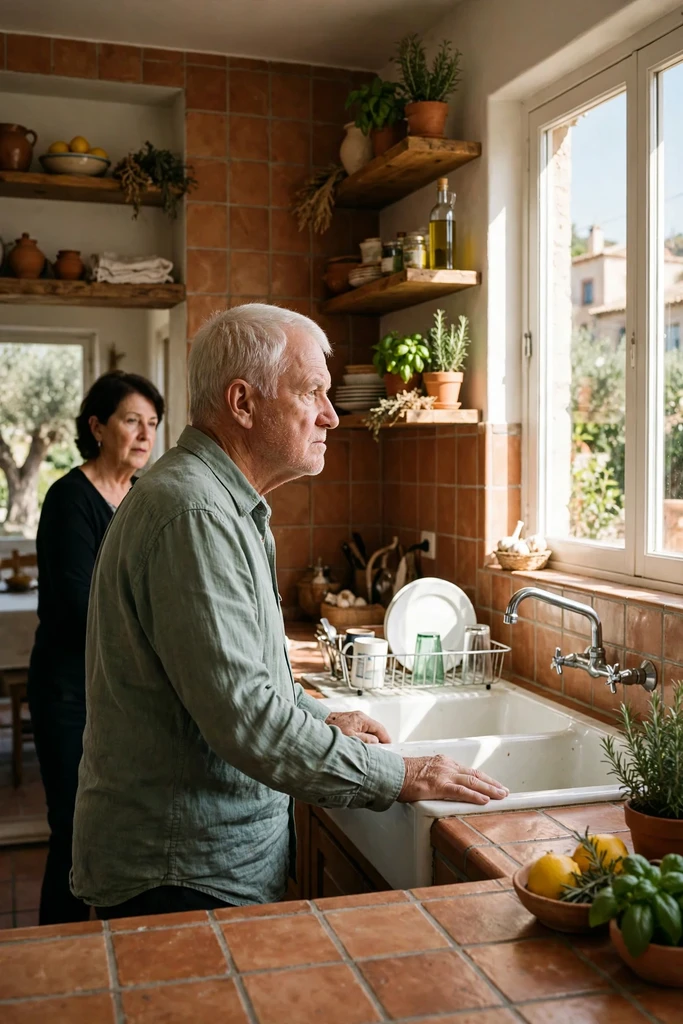
I used to treat holding a grudge as self-defense — as if keeping score would somehow stop me from being hurt the same way twice.
Then comes the all-too-familiar midnight tableau: a hushed kitchen at eleven, nothing but the fridge humming, and you at the sink attacking one obstinate pan while a five-year-old argument replays verbatim in your head.
Your jaw clenches till your molars throb. Your heartbeat quickens over a phantom. Meanwhile the author of the offending remark sleeps soundly miles off, wholly unbothered by your secret courtroom.
Nursing old grievances is exhausting full-time work. It demands constant mental upkeep, siphoning precious emotional bandwidth away from your actual present and into a ledger that balances itself with your own peace.
Here is the reframe that matters: letting go is not for the other person. It is not absolution, and it is not pretending the hurt never happened. It only means declining to keep paying emotional interest on an account that closed years back.
When the memory next barges in — while folding laundry, say — try announcing to the empty kitchen: “I am setting this down now.” Then literally place down whatever you’re holding, move to a different room, and consciously switch your mental station.
💡 Tip
Write the grievance on scrap paper — then recycle it immediately.
8. Daring to Be a Beginner Again

“Starting some brand-new hobby from scratch? I haven’t got the patience to be terrible at things.”
Mastery of anything demands a wobbly start, yet we sidestep watercolors or a new tongue exactly because incompetence feels intolerable.
Lively older adults reverse the pattern: they stride directly into beginnerhood rather than sheltering in comfortable expertise, permitting themselves one week of splendid ineptitude — no scores, no spectators.
Give yourself fifteen ungraded minutes a day with a clumsy new skill. The discomfort is temporary; the neural dividends compound.
💡 Tip
Practice one clumsy new skill for fifteen minutes daily.
| Mindset Comparison | Score | Outcome |
|---|---|---|
| Fixed Comfort Zone | 25 | Leads to mental stagnation |
| Active Learning Zone | 95 | Fosters cognitive resilience |
9. Giving Your Energy to Something Larger

A life pointed solely at your own comfort tends to grow a peculiar, existential weariness. When your gaze never leaves your own needs, everyday irritations swell to fill the whole frame, and your mind exhausts itself on its own upkeep.
None of this denies the seasons when turning inward is exactly right. Some chapters genuinely call for guarding your energy through total self-focus, and withdrawing from all outer demands then isn’t selfish — it’s convalescence.
The dividing line is simple: healthy boundaries lead to renewal, while stagnation shows up as chronic depletion. One refuels you; the other just drains you more slowly.
When you mentor a younger colleague, volunteer at a community garden, or help out at a local animal shelter, your attention moves outward — and the brain, given a reason to stay engaged, happily obliges. Find one concrete way to contribute this week: give two hours to a single local cause, without overloading a schedule that is already full.
💡 Tip
Give two hours a week to one local community project.
Purpose Building Timeline
Week 1 — Identify a Cause. Choose an area where your skills genuinely help.
Month 1 — Establish Rhythm. Commit to steady, consistent weekly hours.
Month 3 — Measure Impact. Notice the lift in your daily vitality.
10. Finding the Funny in Everyday Mishaps

Treating yourself with grave seriousness functions like plate armor: reassuring to wear, yet silently siphoning your energy from morning to night.
Watch your own reaction when the next modest plan collapses or the roast blackens. If your chest constricts and you rerun the blunder for hours, you’re levying a huge mental tariff on a tiny mishap.
There is a cheaper response available. Catch yourself mid-frustration, pause, and hunt for what is genuinely absurd in the scene instead of feeding the stress. Whenever the next thing escapes your grip, recount the fiasco aloud in a dry, comic tone instead of apologizing — and feel the tension evaporate.
💡 Tip
Find one genuine reason to laugh out loud every single day.
11. Saying What You Feel While It Still Matters

Forty weekly hours of gulped-down irritations accumulate into a ponderous quiet — one that gradually remolds every relationship you have.
Paper over every friction with courteous assent, and the hidden tariff is genuine closeness slowly wearing thin — exchanged for a comfortable calm that rings hollow within months.
And what you quietly purchase with that temporary safety is a delayed detonation: one ordinary conversation turns into an overwhelming reckoning, all because the small moments were never allowed to breathe.
The way out is easier than it looks. Voice what you mean in the moment it happens, and trade the grinding fatigue of maintaining appearances for the fleeting awkwardness of candor. When you need something, use a direct “I” statement — clear, kind, and immediate.
💡 Tip
Express needs with direct “I” statements, the moment they arise.
FAQs
Choose Your Starting Point
Don’t try to install all eleven habits by Monday. Select a single one — whichever tugged at you most while reading — and devote the coming seven days to it.
One concentrated week instructs more than a month of vague intentions. That lone habit establishes the pattern — and enduring vitality was always assembled the same way: a single small deliberate decision, repeated.
Take the First Step This Week
Return to the curiosity habit and test it today — pose one sincere question about some ordinary thing. The seventy-five-year-old you’ll become is already thanking you.