
8 Things Grandparents Do That Grandkids Remember Forever
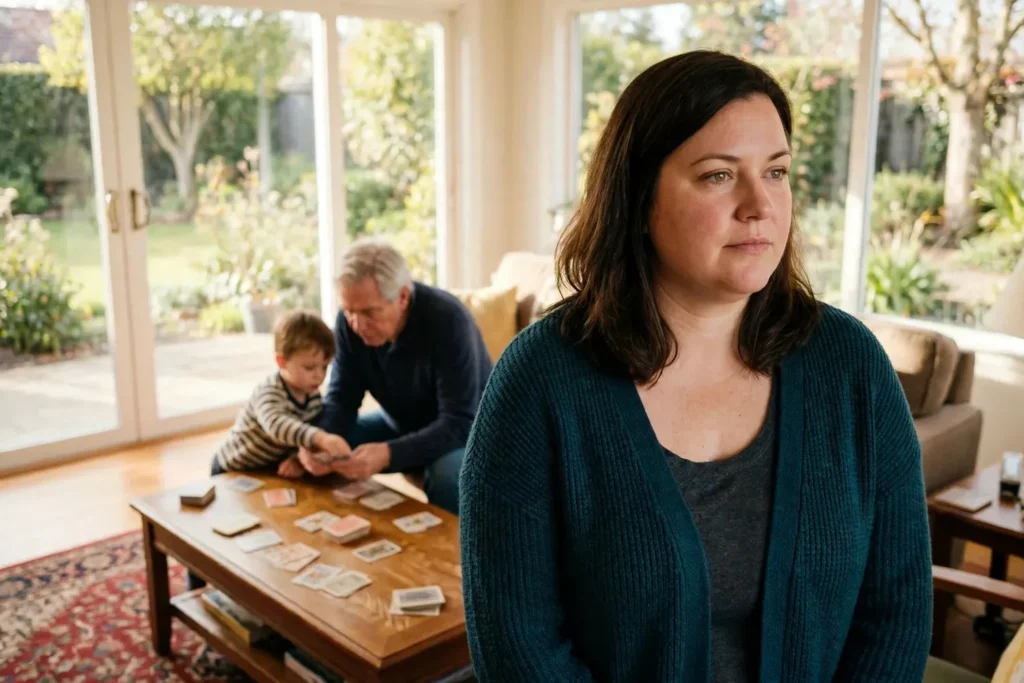
The grandkids might pass through your kitchen for only a handful of hours each month — and still, the hours they spend with you will echo through their lives long after those visits end.
The arithmetic of grandparenthood is odd. You get a sliver of the hours their parents get, yet the mark you leave can run deeper.
And the quickest route to that kind of lasting place in their memory has nothing to do with the biggest presents or the most ambitious vacations. It lives in the small, repeated rituals of your own living room — the ordinary evenings nobody bothers to photograph.
Here is the part that should take the pressure off: nobody is grading you against a perfect grandparent you saw in a film. Children do not remember flawless. They remember familiar. The eight habits below are not a curriculum — they are the small, repeatable things that turn an ordinary house into the place a grown adult still dreams about.
Document the Mundane
Put the camera down for the posed shots. Photograph the pile of little shoes by your front door instead, the crumbs on the counter after breakfast, the puzzle with three pieces still missing. Those unglamorous details are the ones they will reach for decades from now.
Table of Contents
- Why Some Childhood Memories Last a Lifetime — and Others Vanish
- 1. Let Them Get Thoroughly Bored at Your House
- 2. Break the Rules — Predictably
- 3. Become the Vault for Their Small Secrets
- 4. Hand Down Things That Are Worth Nothing — and Everything
- 5. Tell the Family History — Unvarnished
- 6. Give Them a Corner That Is Only Theirs
- 7. Teach Them One Wonderfully Useless Analog Skill
- 8. Let Them Watch You Apologize
- Finding Your Own Signature Memory
- FAQs
- You Don’t Have to Do All Eight by Sunday
Why Some Childhood Memories Last a Lifetime — and Others Vanish
In my first years of grandparenthood I worked hard at manufacturing perfect moments, thoroughly convinced that tickets to some spectacular event would buy me a permanent spot in their memory. The natural assumption is that every visit has to be an occasion — and the people who study how children remember keep arriving at the opposite conclusion.
Children almost never file away the big productions the way we expect. A packed day at a crowded theme park dissolves, by adulthood, into a loud, tiring blur.
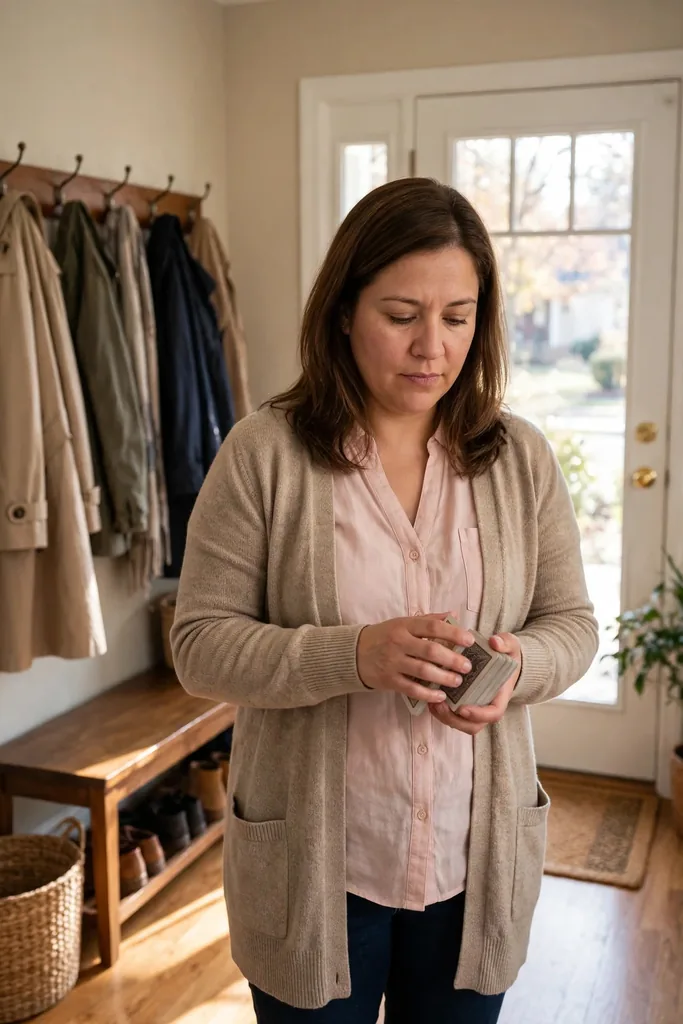
What survives is oddly specific: the particular smell of the closet in your hallway, the exact rhythm of your hands shuffling a deck of cards. Forty years later, those details are still sharp.
It comes down to two things: safety and repetition. Once a child feels completely unjudged in a place, the brain stops patrolling for rules and simply starts recording. You stop being just another relative and become something rarer — a refuge from the noise and scheduling of their own house.
That is why the smallest rituals punch so far above their weight. The same terrible joke at the front door, the same seat at the table, the same way the afternoon always unfolds — each repetition lays down another layer, until one day the whole pattern is inseparable from you.
1. Let Them Get Thoroughly Bored at Your House
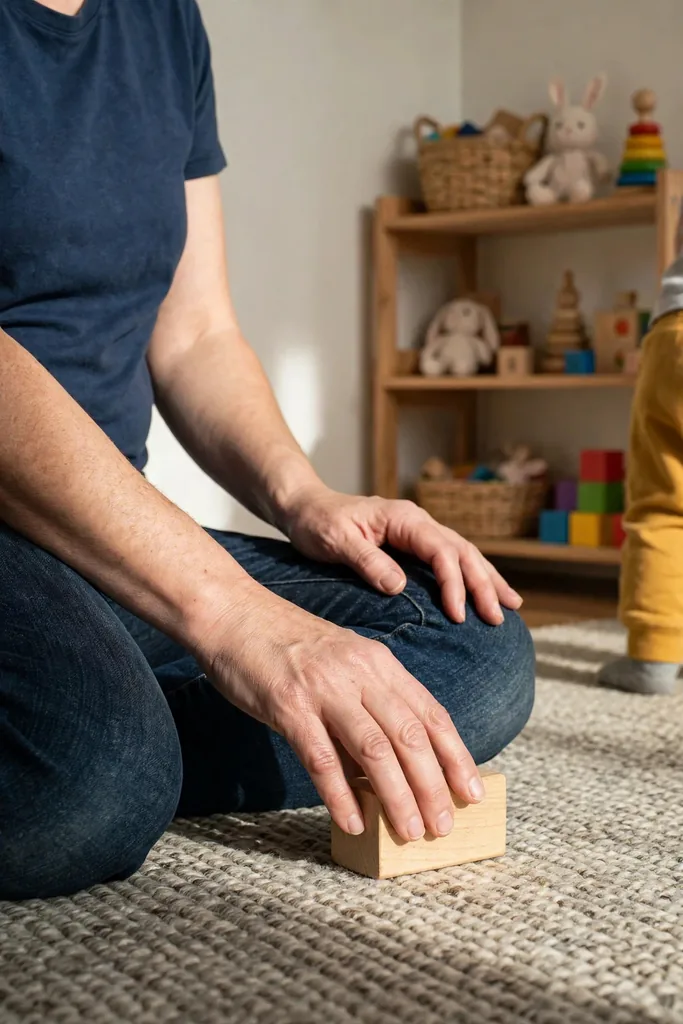
Handing a visiting grandchild a completely empty afternoon is one of the smartest things you can do. I used to fill every weekend with zoo outings and elaborate baking sessions, genuinely frightened of a single quiet hour.
All that exhaustion was of my own making. Their weeks are already packed minute by minute with practices and screen rules, so an empty house is the one place where having nothing planned is a gift. Give them no agenda and the fidgeting turns, given time, into real imaginative play.
Let them sit on the living-room rug until they invent their own game.
⚠️ The Entertainment Trap
Trying to out-entertain a screen by running around like a cruise director only trains them to expect a performance. Letting them discover their own fun builds a quieter, more genuine bond.
2. Break the Rules — Predictably

Does serving ice cream before dinner make you a saboteur of their parents’ authority? Not if you do it on purpose. Parents need a firm daily structure just to keep the household upright; your role is to offer a small, carefully supervised rebellion against it.
The secret is consistency. A random broken rule is chaos. A scheduled one becomes tradition.
If the kids know that Friday night at your house always means an extra hour past bedtime and a wonderfully bad movie, they know exactly what is coming — and they spend all week looking forward to it.
What you are really building is a small local ecosystem. When the rules bend the same way every time here, children learn context: these softer boundaries exist only inside your four walls.
3. Become the Vault for Their Small Secrets
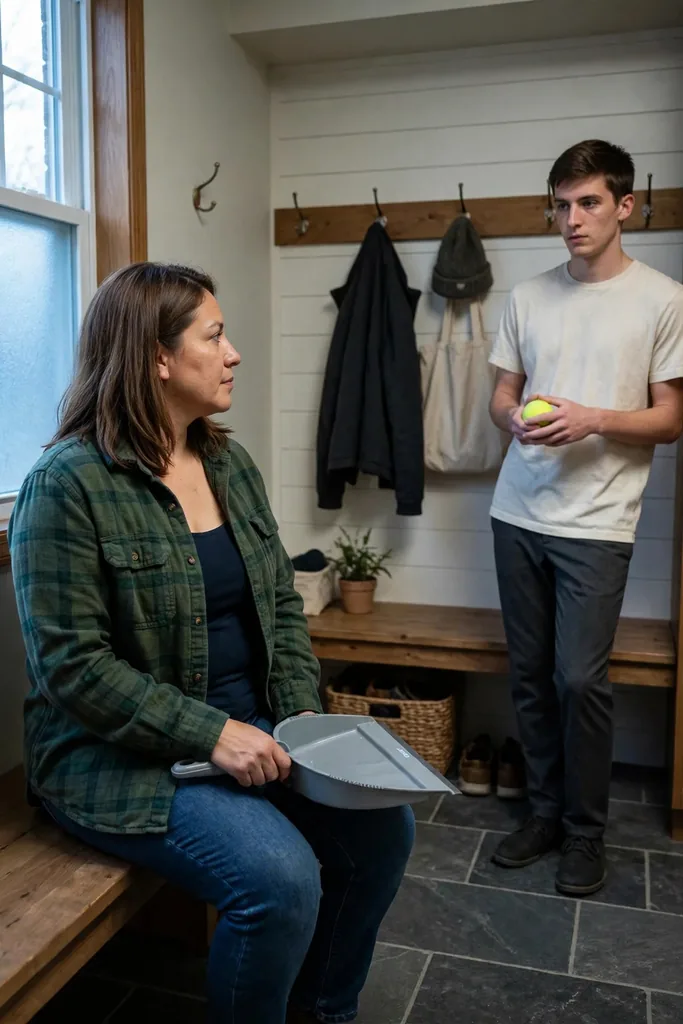
You hear the unmistakable crash of glass from the garage, then the heavy silence of an eight-year-old who knows exactly what just happened. A minute later they appear in the kitchen doorway holding a tennis ball, braced for the explosion.
The reflex is to snap straight into enforcer mode — lecture about indoor ball games, phone the parents immediately. It feels like taking the damage seriously.
But that is a misreading of what the child is actually testing. The moment you turn disciplinary and report a harmless accident upstairs, you announce that you are just an extension of household management. You trade a rare chance at closeness for a lesson they already know.
They came looking for a sanctuary, and got a warden instead.
Every child needs one adult who will listen to the whole frantic story, start to finish, without panicking and without pronouncing sentence.
So when they confess, just nod. Tell them to grab the dustpan and help you sweep it up — and then leave it out of the evening’s conversation entirely. Keeping those small secrets between you lays the foundation for a lifetime of trust; you become the person they call when it really matters.
💡 Tip:
A secret shared in confidence must never reappear as ammunition in a later argument.
4. Hand Down Things That Are Worth Nothing — and Everything
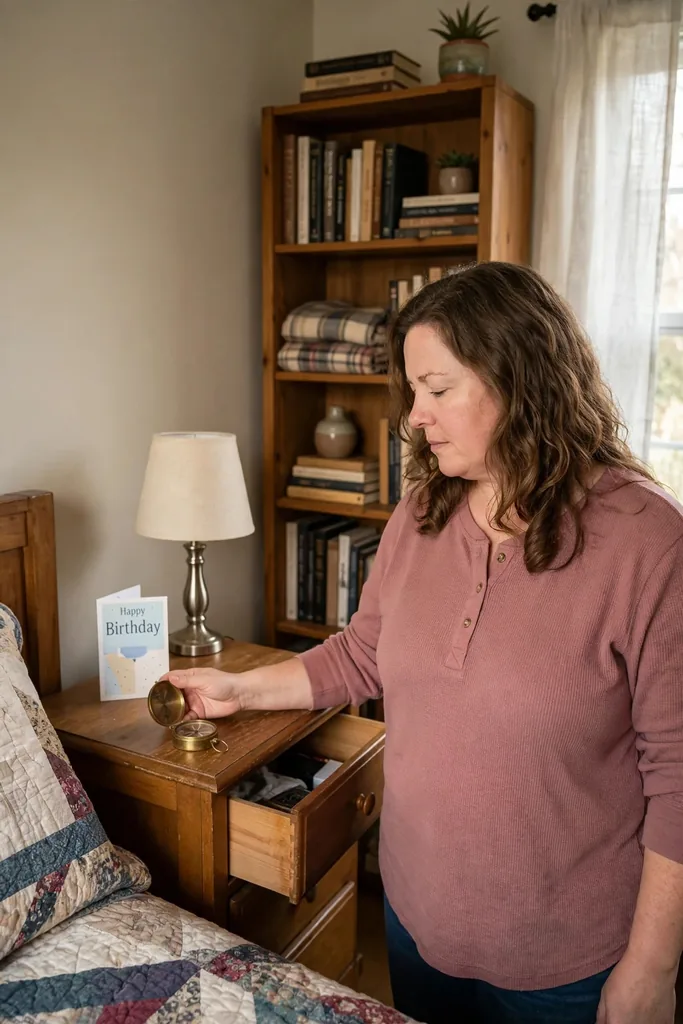
“I never know what to buy them anymore.” So you tuck a twenty into a birthday card, and by Tuesday the cash is gone and the card is in the recycling.
The research on family memory keeps landing on the same finding: children give the deepest emotional weight to objects with no market value at all. We assume they want the newest expensive gadget; what they actually want is a piece of your history they can hold.
Give them your scuffed old compass and tell them where it has been. The story turns an ordinary object into an artifact — something that ends up in a bedside drawer as a physical anchor to you.
What They Keep vs. What They Forget
| 🕰️ Artifacts — Worth Keeping | 🛒 Commodities — Quickly Forgotten |
|---|---|
| Old pocket watches | Trending plastic toys |
| Handwritten recipes | Generic gift cards |
| Worn hand tools | Expensive video games |
| Costume jewelry with a story | Cash in a plain envelope |
5. Tell the Family History — Unvarnished
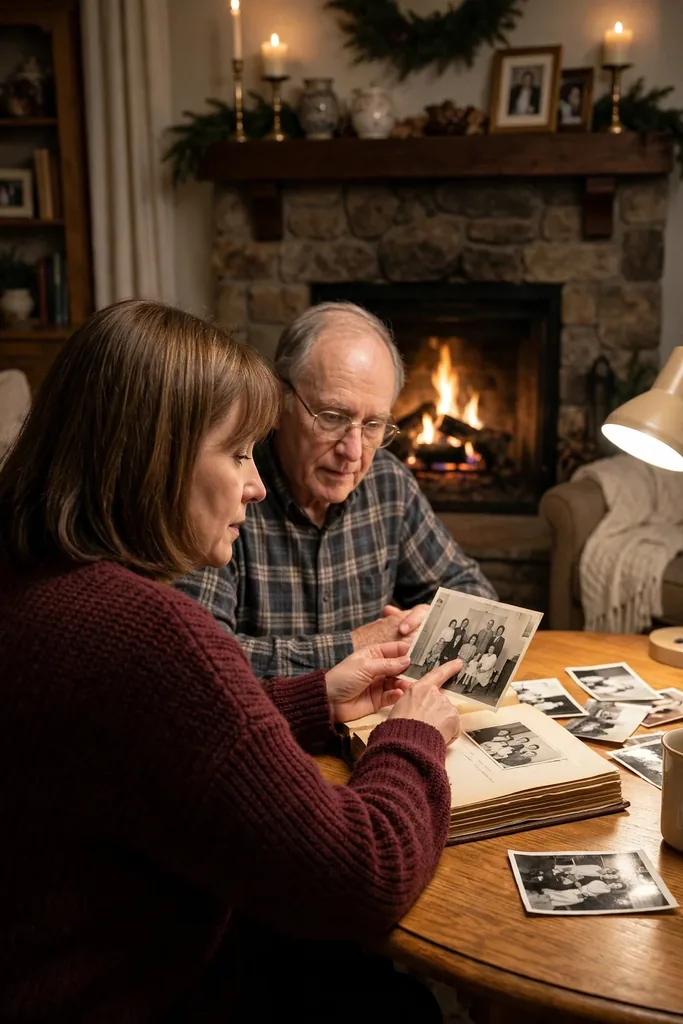
The conventional wisdom says to hand down a polished, heroic family legacy. In practice, polishing the history robs a child of exactly the tool they need for growing up.
Take an honest look at your stories: does everyone in them always win, or do they sometimes fail spectacularly? If only the victories get told, you quietly set a standard of perfection — and you erase who their parents were before they became authority figures.
Kids are hungry for the messy chapters. They will beg to hear about the time their father got into real trouble.
The burned Thanksgiving dinners, the road trips that fell apart, the genuinely terrible haircuts — those stories prove the family line is built on recovering from mistakes, not on never making them. Researchers who study family narratives keep finding that the unvarnished version builds more resilient kids; hearing it from the family historian makes it real.
The Role Model Myth, Corrected
| Myth | Fact |
|---|---|
| Children need a perfect family record to feel secure. | Learning that adults survived big mistakes gives children confidence to face their own. |
| Stories about their parents’ misbehavior undermine discipline. | It humanizes their parents, making them easier to approach when the child truly needs help. |
6. Give Them a Corner That Is Only Theirs
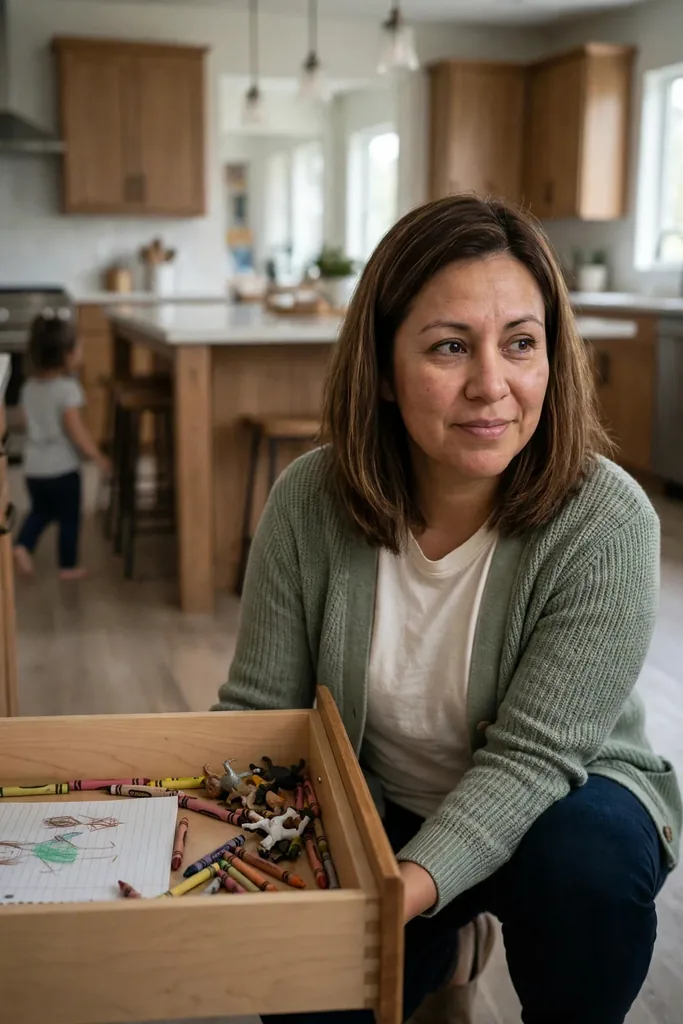
Three weeks since the last visit, and the half-finished drawing is still on the bottom shelf — exactly where it was left. Nobody tidied it, moved it, or buried it under mail.
We are told to build elaborate playrooms, but one dedicated kitchen drawer does the same psychological work. If a child can leave something behind and find it untouched next time, that small constancy tells them they have a permanent place in your life. It is a quiet comfort during chaotic school weeks.
That one small corner becomes their safe harbor.
7. Teach Them One Wonderfully Useless Analog Skill
If your time together is only conversation, new toys and shared screens, you are competing directly with the loudest parts of their world. The movies blur together, the school-day questions fade into noise, and the screens win.
The way around that is to bypass the verbal brain entirely.
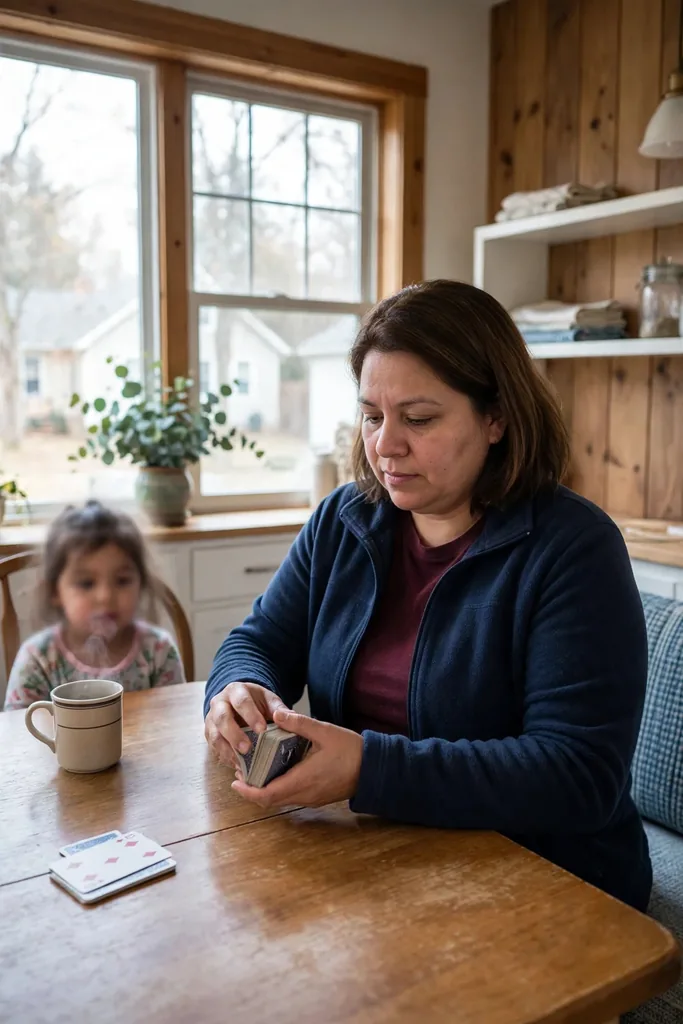
Twenty minutes is all it takes to teach a fidgety seven-year-old a proper card shuffle. They sit beside you at the quiet kitchen table, dropping half the deck on the floor again and again, while you gather the scattered cards and show them the bridge grip one more time.
The room smells of coffee and afternoon rain. You slide the pile back and tell them: watch my hands, thumbs here, bend the stiff edges, and let them fall.
The trick itself hardly matters — skipping a stone across a cold pond, whittling a stick on the porch, sewing on a loose button. These slow, analog skills demand a patient learning curve that keeps you both in close, quiet proximity with nobody checking a phone.
That shared frustration and sudden triumph welds the awkward new skill to your presence. Decades later, every time their hands make that exact motion, your face will surface with it.
Picking the skill is easier than it sounds: choose something you already know well enough to teach without thinking, and something just past their current reach so the learning feels like an adventure. The first five minutes matter most — get shoulder to shoulder, slow everything down, and let them fail at it twice before you offer a single correction.
8. Let Them Watch You Apologize
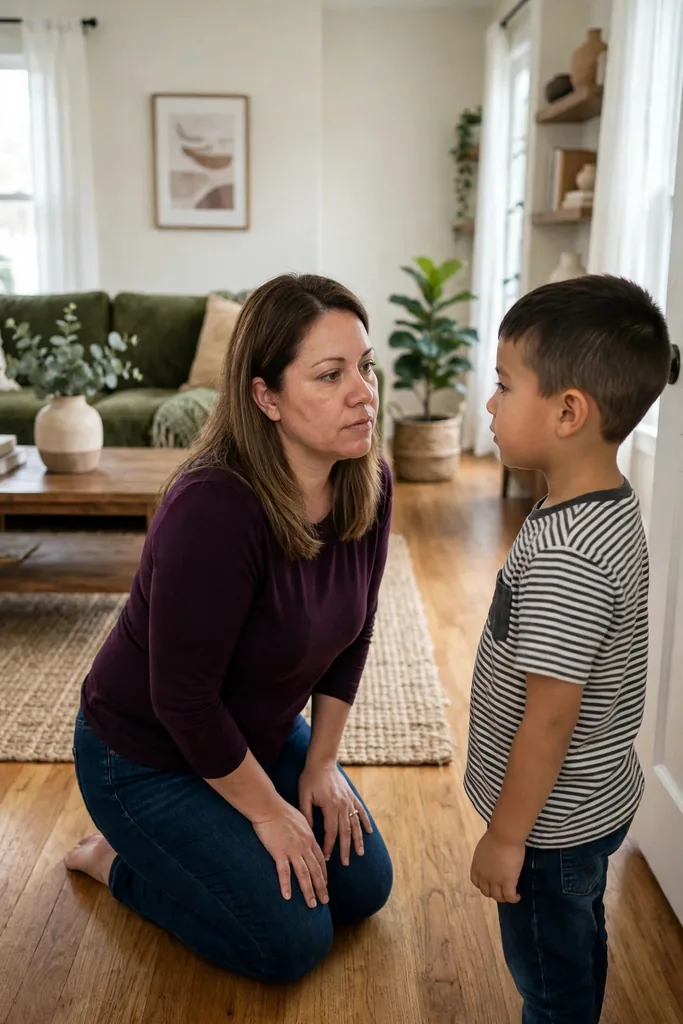
“I was exhausted and I snapped at you. That was unfair, and I am sorry.” Saying that breaks the oldest unwritten rule of family authority.
Never admitting a misstep is a quiet, expensive trap. The price of always seeming to have the answers is that they eventually stop coming to you when they are lost. We assume an open admission costs us respect; the truth runs the other way.
A sincere apology creates instant equity.
When you own your tone with no defensive extras attached, you are giving them a working lesson in accountability. They will remember how you handled the failure far longer than the failure itself — and that memory becomes the blueprint they use to repair their own broken moments years later.
The 8 Habits at a Glance
| Habit | The Small Action | What It Builds |
|---|---|---|
| 1. Welcome boredom | Leave an empty afternoon | Imaginative play, self-reliance |
| 2. Predictable rule breaks | One small tradition per visit | Anticipation, a sense of context |
| 3. Vault of secrets | Listen — do not report | Lifelong trust |
| 4. Priceless objects | Hand down a storied keepsake | A tangible anchor to you |
| 5. Unvarnished history | Share the failures too | Resilience |
| 6. Their own corner | A drawer left untouched | A permanent footprint |
| 7. Analog skills | Twenty quiet minutes | Presence welded to memory |
| 8. Honest apologies | Own it, no excuses | A blueprint for repair |
Finding Your Own Signature Memory

The fastest way to push a grandchild away is to perform a glossy version of the role that you privately resent. Children can spot manufactured enthusiasm instantly, and the whole visit becomes a chore.
The real target is the overlap between what you genuinely enjoy and what naturally fascinates them. If you love a slow Sunday morning, put the comics and a mug of cocoa in their hands and say: “I am reading the news right here — you take this section next to me, and tell me if you find a funny one.”
Authenticity leaves a deeper mark than any plastic toy.
FAQs
You Don’t Have to Do All Eight by Sunday
No memory can be forced into existence by effort alone.
Try to install all eight changes before the weekend and every visit will feel staged. Children respond, above all, to a calm, steady presence.
Pick one small thing.
Clear a single drawer for their belongings, or settle on one terrible joke you will tell every time they come through the door. Being remembered forever comes down to the simplest formula there is: show up exactly as you are, again and again.
And remember what the bar actually is. Nobody on this list costs money, requires travel, or demands a personality transplant. It is presence, repeated. The grandchild who is thirty will not remember the trip you stressed over — they will remember the drawer, the joke, the cards, and the fact that your door was always open to them.
Start Your Signature Ritual
Pick one small analog skill you want to pass down — and spend ten minutes teaching it on your next visit.