
15 Smart Fashion Tips for Ladies on a Budget That Look Anything But Cheap
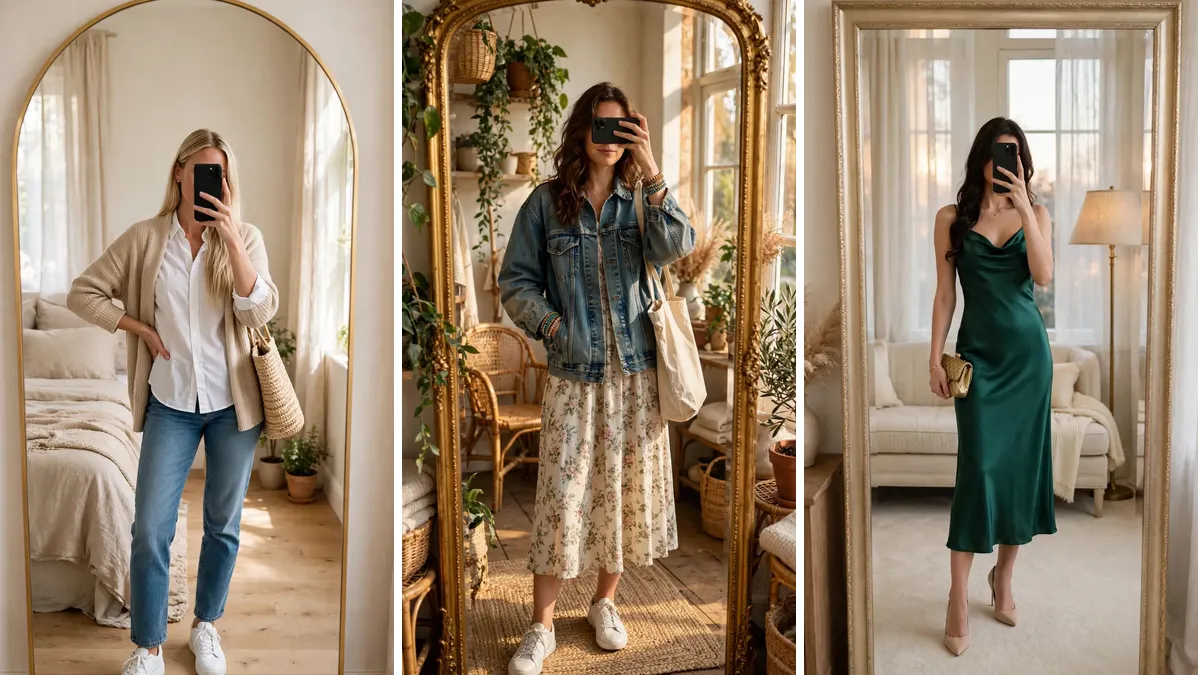
Looking polished has nothing to do with how much you spend. These smart fashion tips for ladies on a budget prove that a thoughtful wardrobe beats a full one every time. Small habits, clever styling, and better care change everything about how your clothes read.
You do not need designer labels to look well dressed. With the right approach, affordable pieces photograph beautifully and hold up through the week. The smart fashion tips for ladies on a budget below show exactly how to stretch your money without looking like you tried.
Style is a skill you build, not a cart you fill. Each tip targets one part of the equation: what you buy, how you wear it, and how you keep it. Work through them at your own pace and watch your closet start pulling its weight.
Pin the tips that fit your life and come back whenever your wardrobe needs a reset. A smaller, smarter closet is more fun to dress from than a crowded one, and your wallet will notice the difference too.
Table of Contents▾
- 1. Build a Small Capsule Wardrobe of Mix-and-Match Neutrals
- 2. Shop Your Own Closet Before Buying Anything New
- 3. Invest in Tailoring to Make Affordable Pieces Look Custom
- 4. Layer Simple Pieces for a Richer Look
- 5. Use Accessories to Multiply One Outfit Into Many
- 6. Keep a Tight Color Palette So Everything Matches
- 7. Maintain and Mend Clothes So They Stay Looking New
- 8. Thrift Smart for Quality Pieces at a Fraction of the Cost
- 9. Buy Basics Off-Season at a Discount
- 10. Shop With a List to Ban Impulse Buys
- 11. Style Basics Intentionally with Tucks and Cuffs
- 12. Judge Every Purchase by Cost Per Wear
- 13. Host a Clothing Swap Instead of Shopping
- 14. Learn Simple DIY Alterations to Refresh Old Pieces
- 15. Rent or Borrow Outfits for One-Time Events
- Your Budget Style Playbook
- Frequently Asked Questions
1. Build a Small Capsule Wardrobe of Mix-and-Match Neutrals
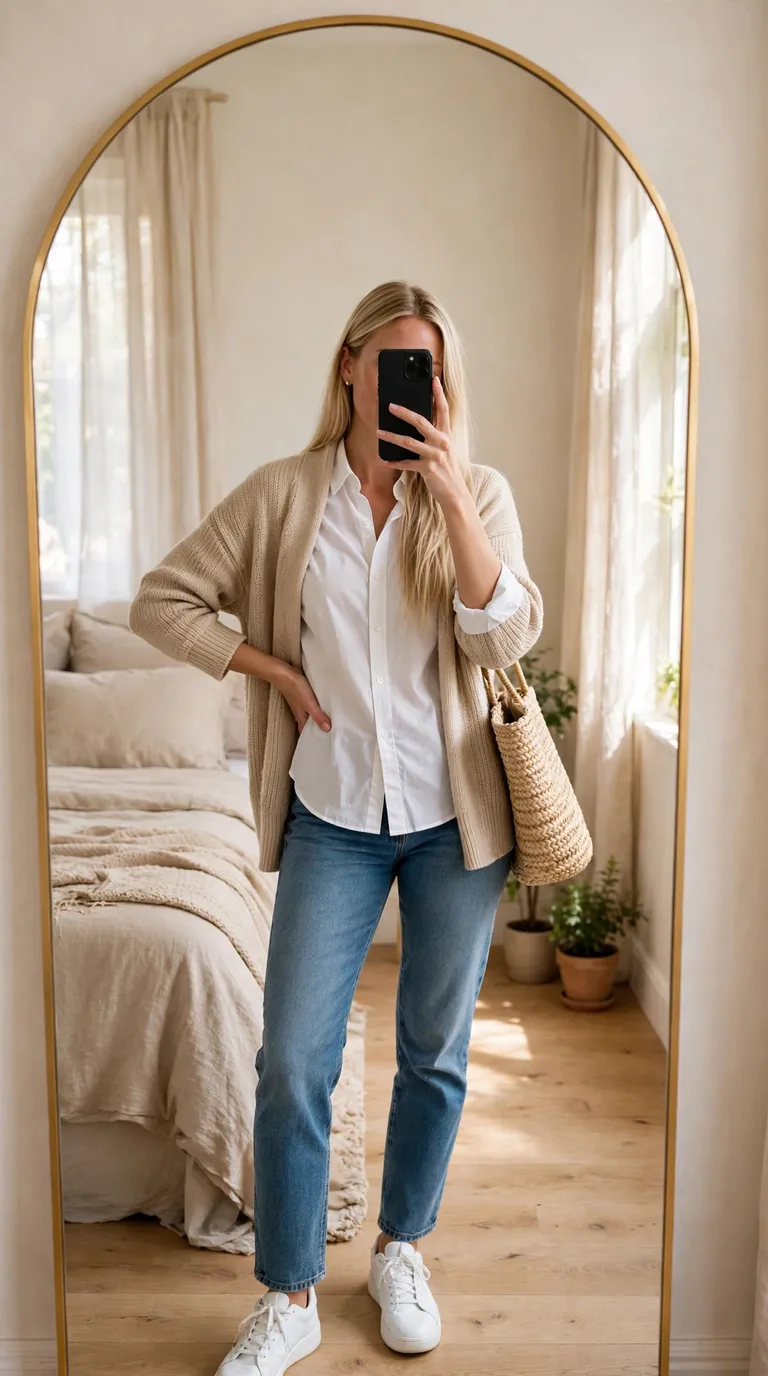
A capsule wardrobe is the smartest first move for anyone learning how to look stylish on a budget. Instead of buying random pieces, you build a small set of neutrals that all work together: white, black, denim, beige, and grey. When every piece matches every other piece, ten garments create dozens of outfits.
Start with these anchors:
- Two pairs of jeans: one medium wash, one black
- A white button shirt and a black tee
- A beige knit and a simple blazer
- One versatile dress and clean white sneakers
🧩 Capsule Mix Matrix
WHITE SHIRT × JEANS
The everyday base: add sneakers for errands, heels and a blazer for dinner.
BEIGE KNIT × BLACK TROUSERS
Soft on top, sharp below: works for office days and weekend lunches alike.
BLACK TEE × DRESS
Layer the tee under a slip dress for a casual two-piece look.
BLAZER × ANYTHING
One blazer upgrades every base in the capsule instantly.
Cross any two pieces on this grid and you have a finished outfit, no new shopping required.
2. Shop Your Own Closet Before Buying Anything New
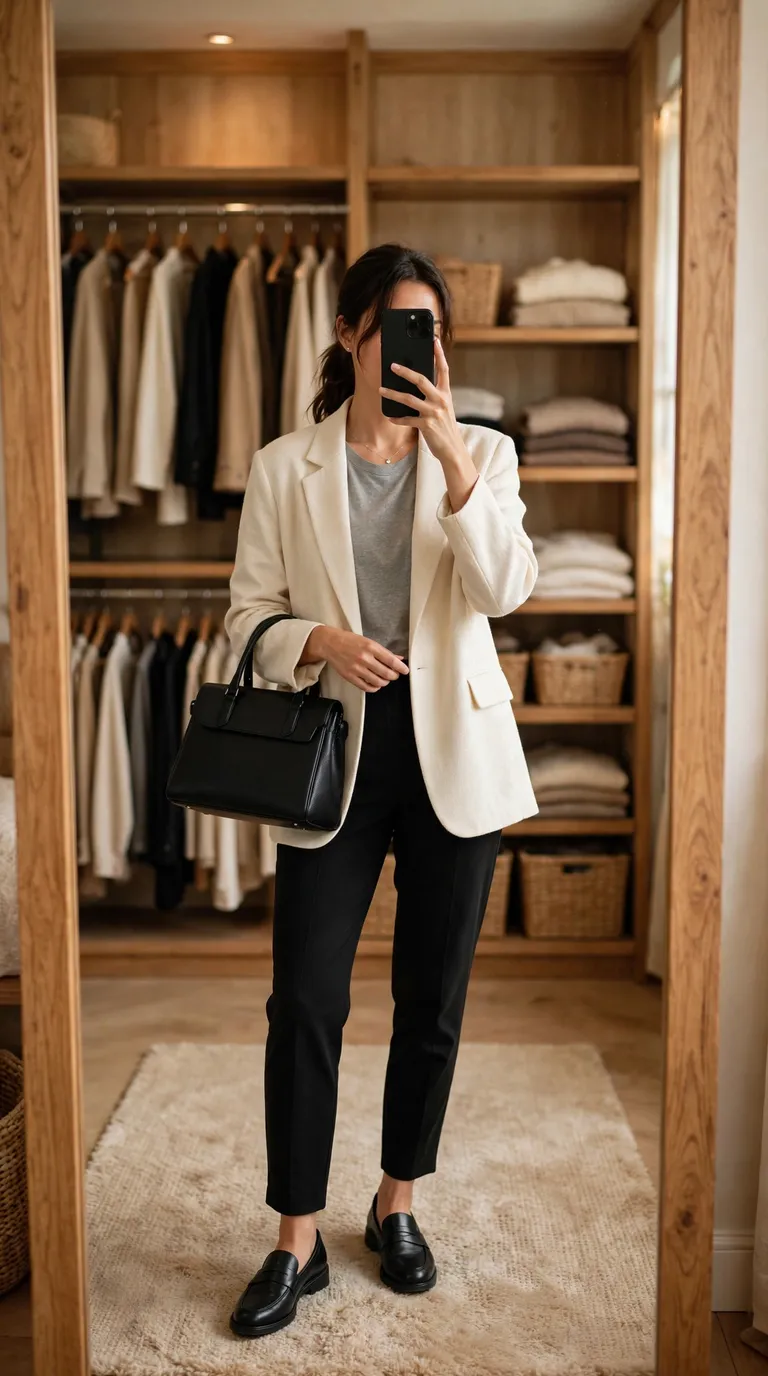
Before you spend anything, audit what you already own. Most closets hide unworn pieces that feel new again when styled differently. This is one of the easiest ways to save money on fashion because it costs nothing, and it reveals what you actually still need.
- Pull out everything you have not worn in six months.
- Try each piece with three current favorites from your closet.
- Keep what works in new combinations, and set the rest aside for swapping or donating.
🔁 Closet Audit: 3 Steps
- Empty one section at a time so the job stays manageable.
- Style each forgotten piece three ways before deciding its fate.
- Photograph the winning combinations so you remember them on busy mornings.
3. Invest in Tailoring to Make Affordable Pieces Look Custom
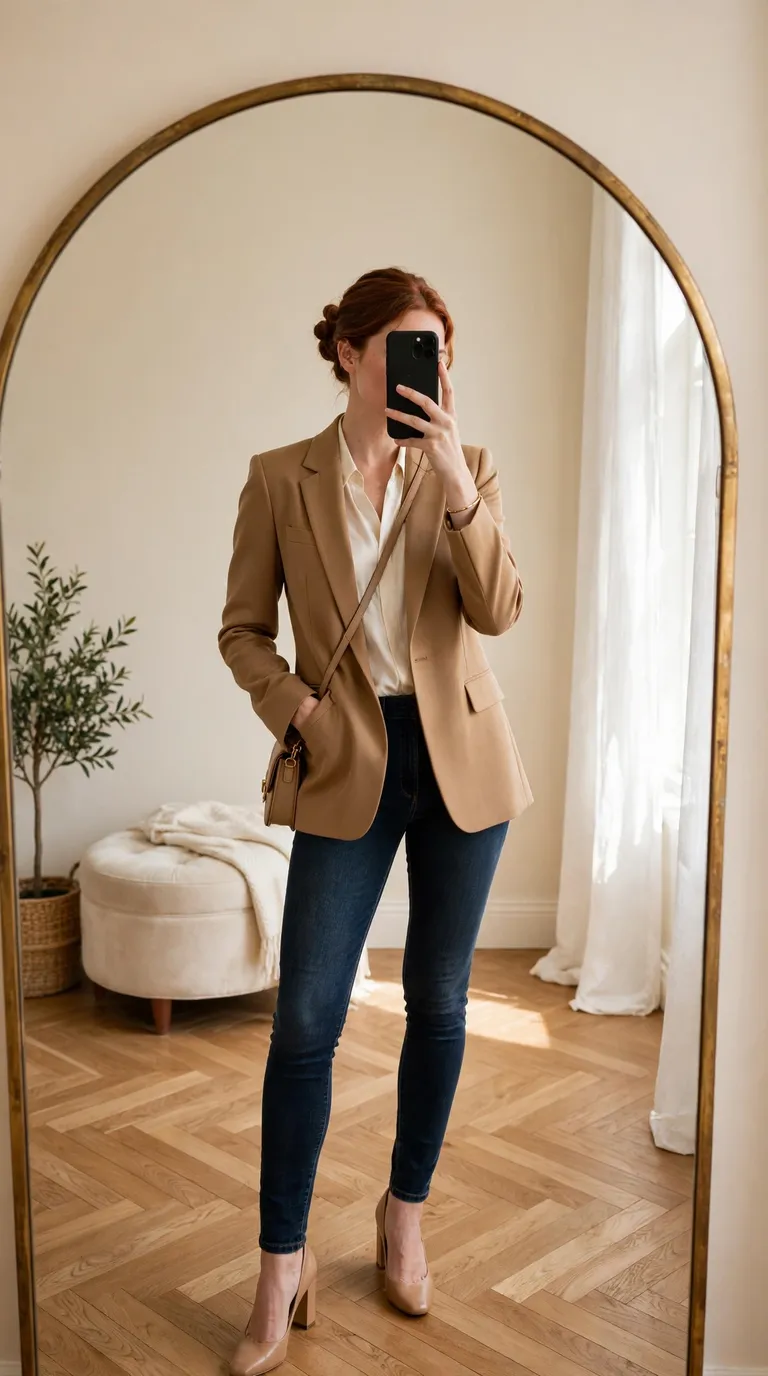
An affordable blazer that fits like it was made for you looks better than a costly one that does not. Tailoring is the quiet secret behind cheap outfits that look expensive: hems, sleeves, and waists adjusted to your body make budget clothes read as custom.
Local tailors charge far less than people expect for simple fixes like shortening trousers or taking in a waist. Build the habit of asking whether a piece can be altered before you pass it over. Fit is what the eye registers first, long before labels or price tags.
☑️ Tailoring Checklist
✓ Sleeves end at the wrist bone, not over the hands
✓ Trouser hems skim the shoe with no pooling
✓ Waistbands sit flat with no gaping at the back
4. Layer Simple Pieces for a Richer Look
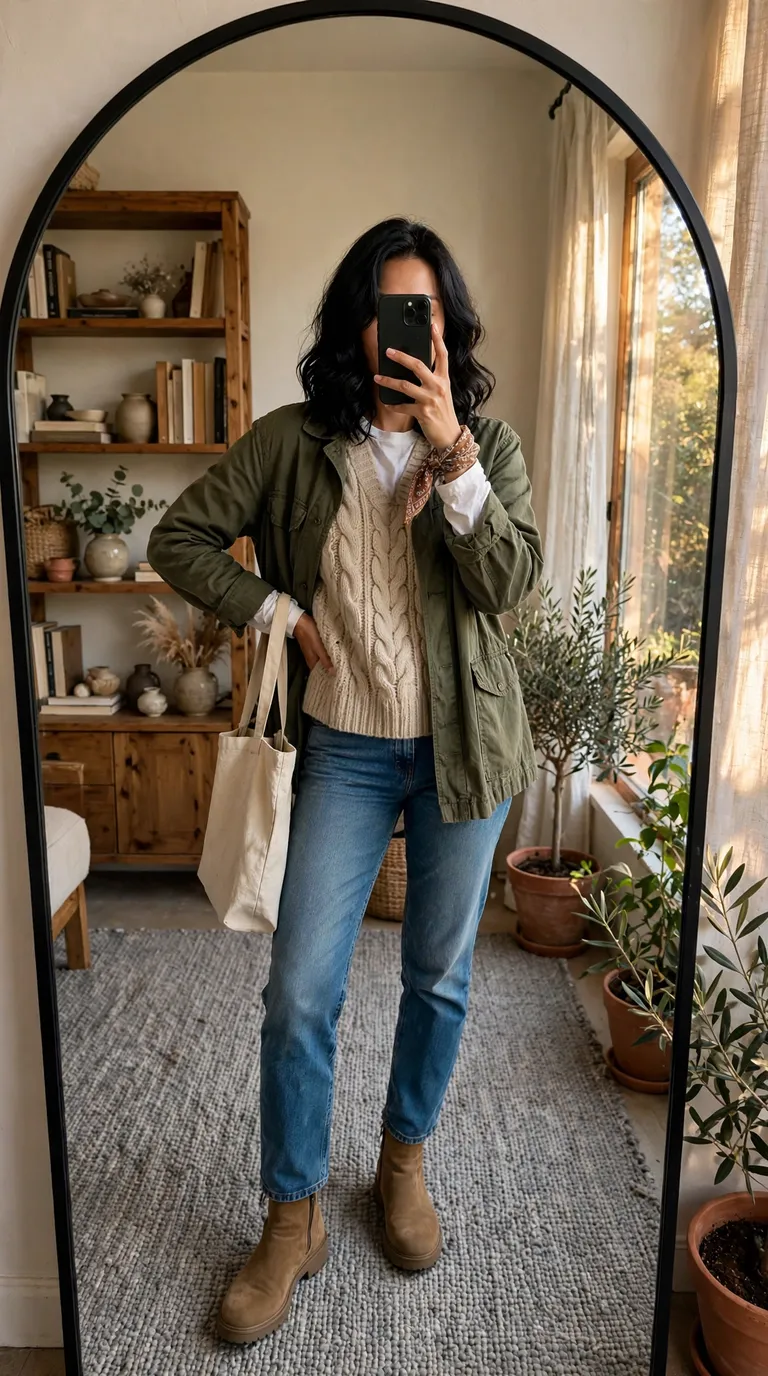
Layering adds depth and visual interest without buying a single new item. A plain tee under an open shirt, a sweater over a collared blouse, or a jacket over a knit all read richer than one flat piece. Layers also let you rewear the same bases in completely different ways.
Keep the textures varied so the layers read as intentional: smooth cotton against chunky knit, denim against wool. When the weather shifts, you can peel pieces off and still have a finished outfit underneath.
🧅 Layer by Layer
Base: fitted tee
Mid: knit vest
Outer: utility jacket
5. Use Accessories to Multiply One Outfit Into Many
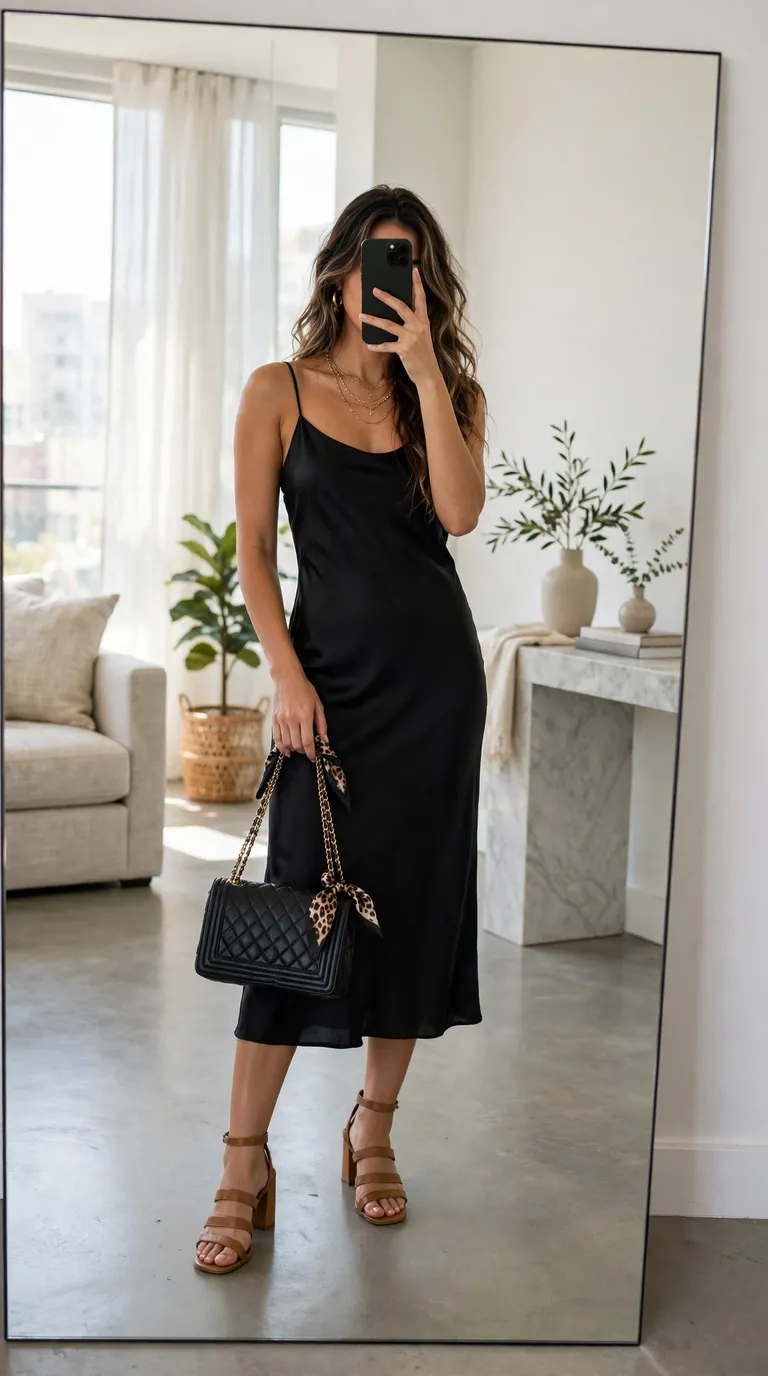
Accessories are the highest-leverage purchase in any list of affordable fashion tips for women. A scarf, a belt, or a pair of earrings can make the same black dress read three different ways across one week. They cost little, store easily, and refresh tired outfits instantly.
- A silk scarf: around the neck, in the hair, or tied to a bag handle
- A woven belt: defines the waist on dresses and loose tops
- Statement earrings: draw the eye upward and add instant polish
- A structured bag: upgrades everything it stands next to
💰 Accessorize on a Budget
A good bag is the one accessory worth a slightly bigger budget: it finishes every outfit and lasts for years.
6. Keep a Tight Color Palette So Everything Matches
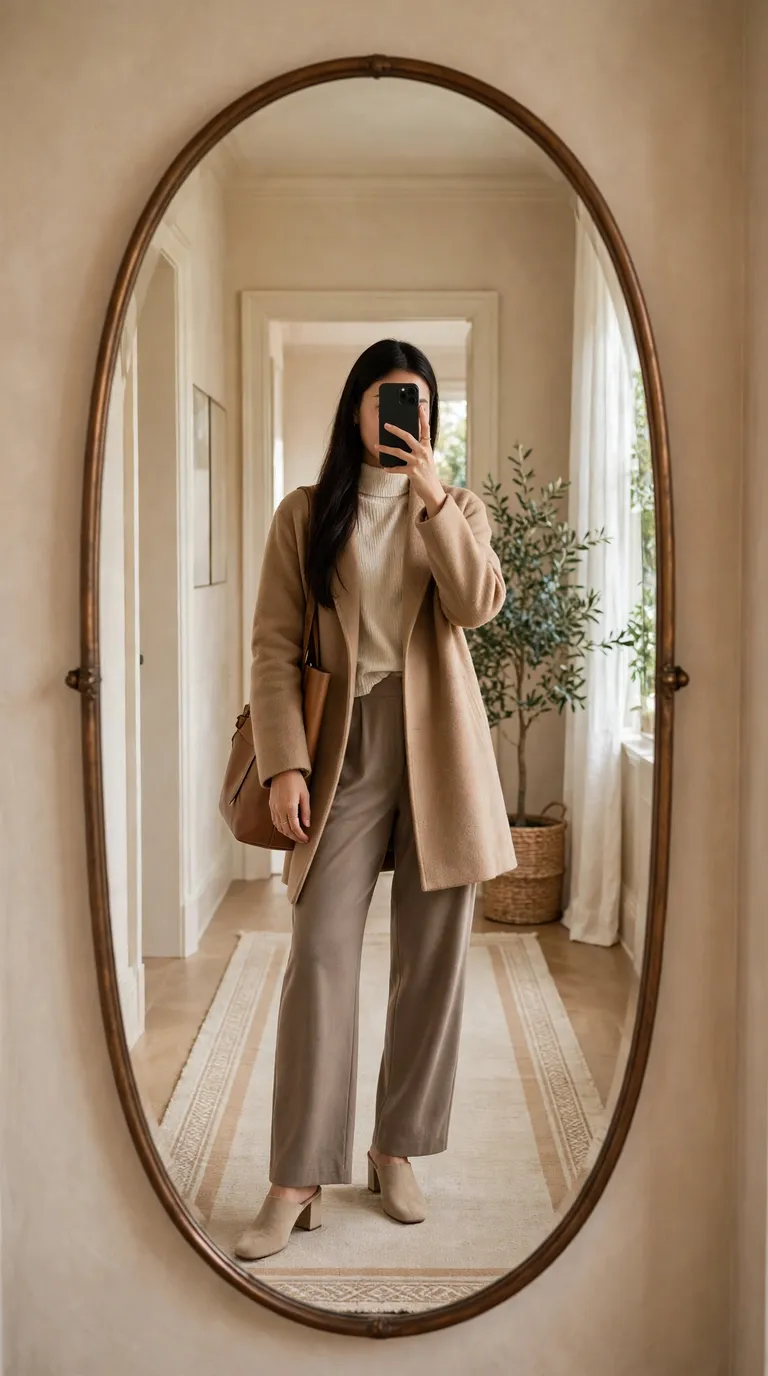
When everything in your closet lives in the same color family, getting dressed gets easy and outfits look intentional. Neutrals like cream, camel, black, white, and grey combine endlessly, so you buy fewer pieces and wear them more. Bold colors can still appear, but only as small accents.
Compare the two approaches: scattered brights that match nothing force you to buy more, while a tight neutral base with one accent color gives you more outfits from fewer pieces. Restraint at the rack turns into freedom in the morning.
🎨 Your Core Palette
Cream
Camel
Black
7. Maintain and Mend Clothes So They Stay Looking New
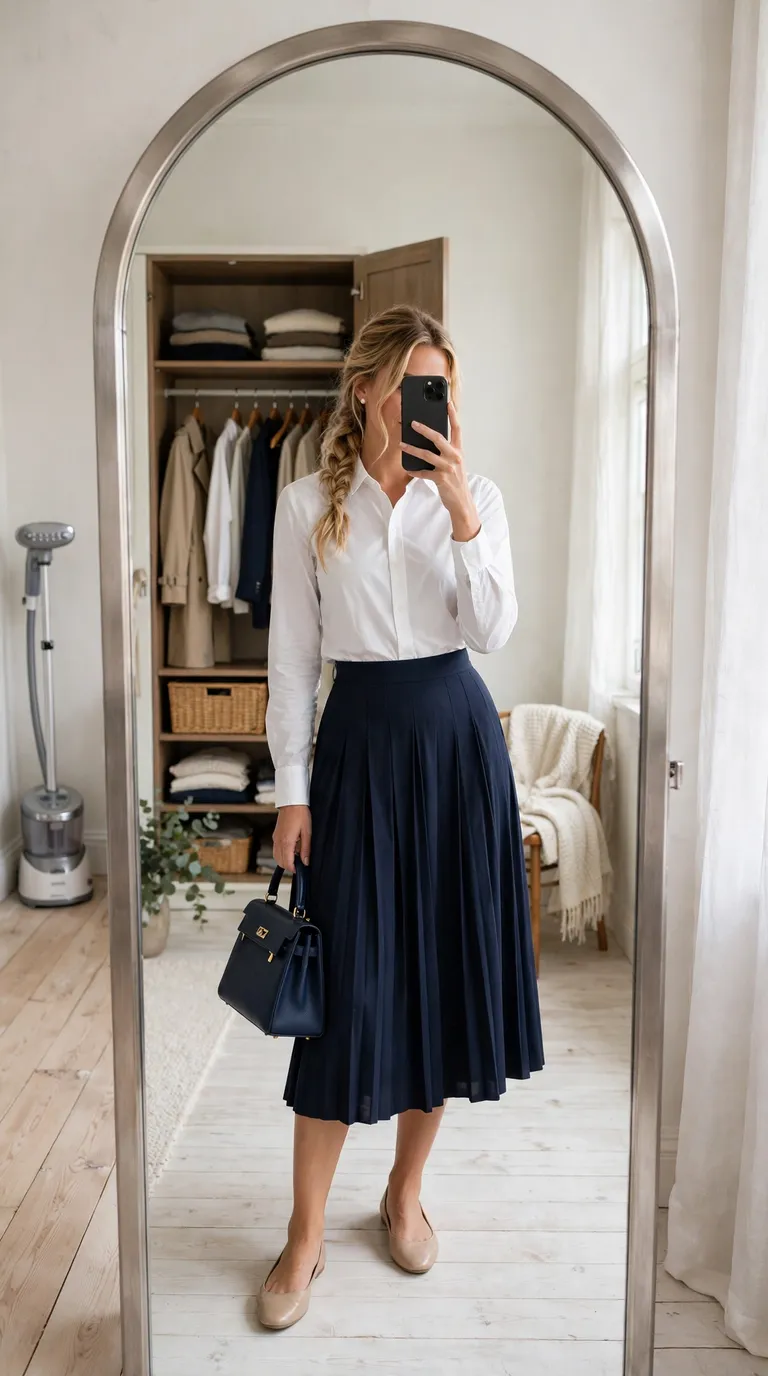
Wrinkled, pilled, or lint-covered clothes look worn no matter what they cost. The opposite is also true: well-kept basics look new for years. Simple care habits are underrated frugal fashion tips that cost almost nothing and make cheap outfits look expensive.
Build a small kit: a steamer or iron, a lint roller, a fabric comb for pills, and a basic sewing needle with black and white thread. Five minutes of care before wearing beats hours of shopping for replacements.
✅ Do This
Fix loose buttons, small tears, and fallen hems the day you notice them. Quick repairs stay invisible.
❌ Skip This
Tossing clothes over minor damage. Most fixes take less time than a trip to the store.
8. Thrift Smart for Quality Pieces at a Fraction of the Cost
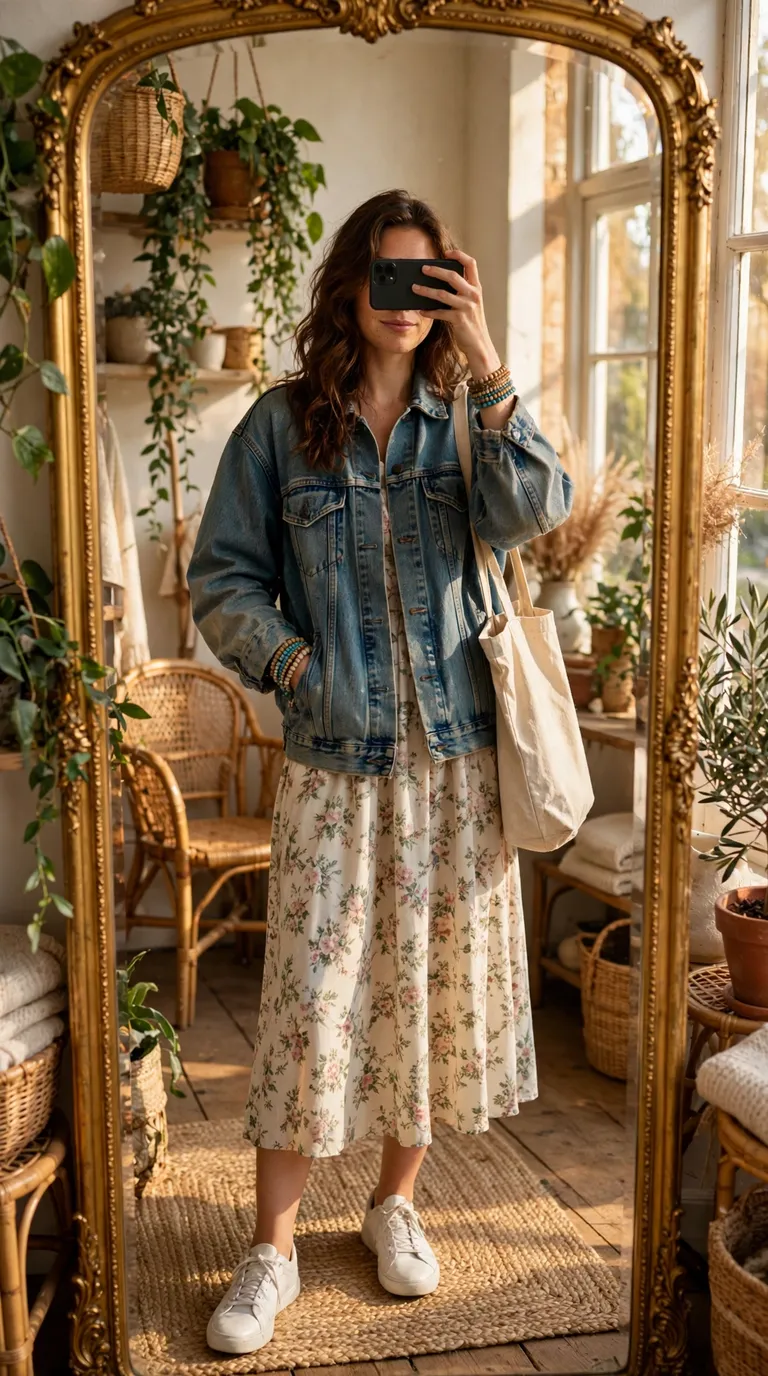
Thrift stores reward patience and a good eye. Sturdy pieces like denim jackets, wool coats, silk blouses, and leather belts age well and cost a fraction of retail when bought secondhand. Focus on fabric and construction rather than labels, and always check seams, zippers, and linings before buying.
Visit regularly instead of expecting one big score. New stock rotates constantly, so a short weekly browse beats a rare marathon trip. Go in with a short list of gaps from your closet audit so you buy needs, not novelties.
Try everything on. Sizes vary between brands and eras, so ignore the tag and judge the fit in the mirror.
🔍 Thrift Inspection Checklist
- Check seams, zippers, buttons, and linings for damage
- Feel the fabric: sturdy weaves and natural fibers age best
- Hold it to the light to spot stains and thinning areas
If a piece passes all three checks and fits well, it is a genuine find worth bringing home.
9. Buy Basics Off-Season at a Discount
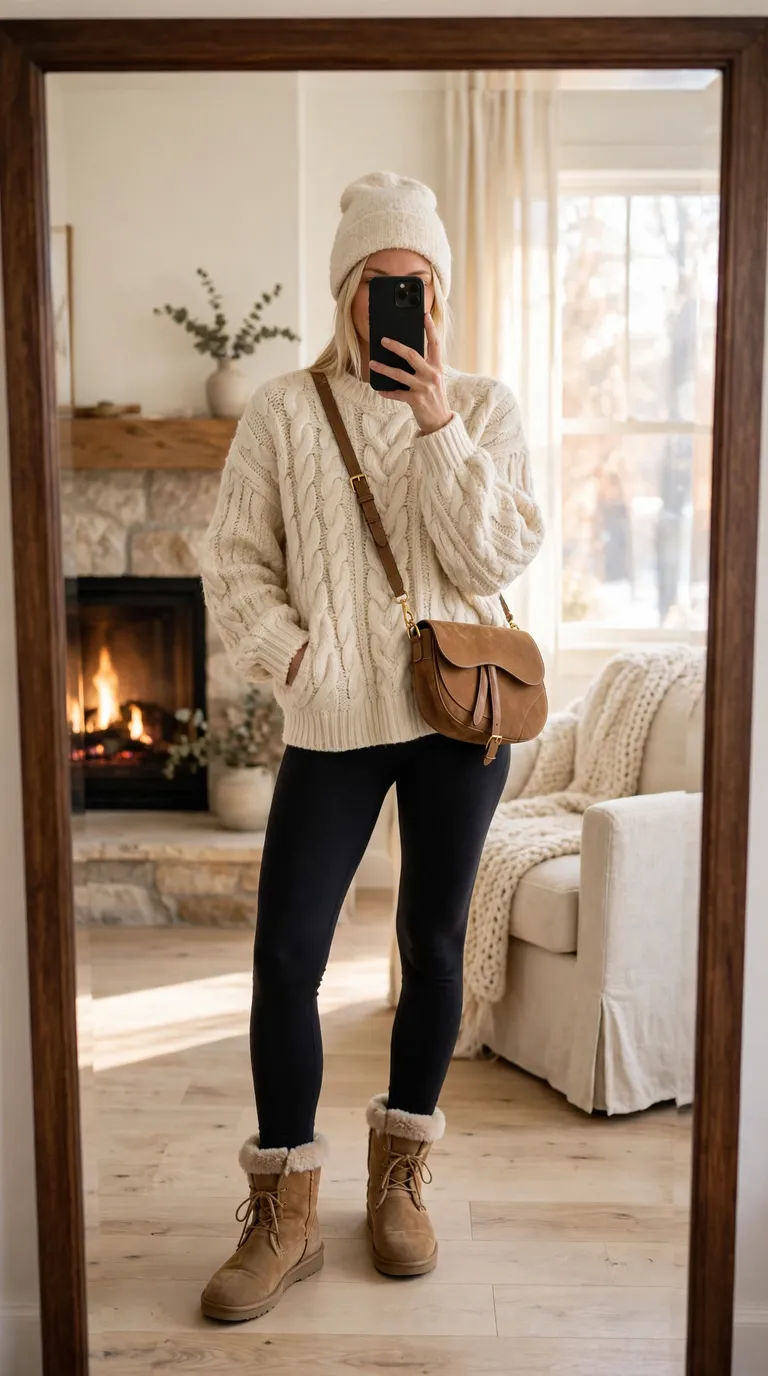
Retailers clear seasonal stock at deep discounts, and patient shoppers win. Coats in spring, swimwear in autumn, knitwear in late winter: the same quality pieces for far less money. This is one of the simplest smart shopping habits for clothes because it only asks you to plan ahead.
- Buy winter coats and boots in early spring
- Stock up on summer basics in September
- Grab occasion dresses in January
- Shop end-of-line sales for timeless basics that never date
👔 One Buy, Three Seasons
- Autumn: wear the knit over a collared shirt with jeans
- Winter: layer it under a coat with a scarf and boots
- Spring: drape it over your shoulders with a tee
10. Shop With a List to Ban Impulse Buys
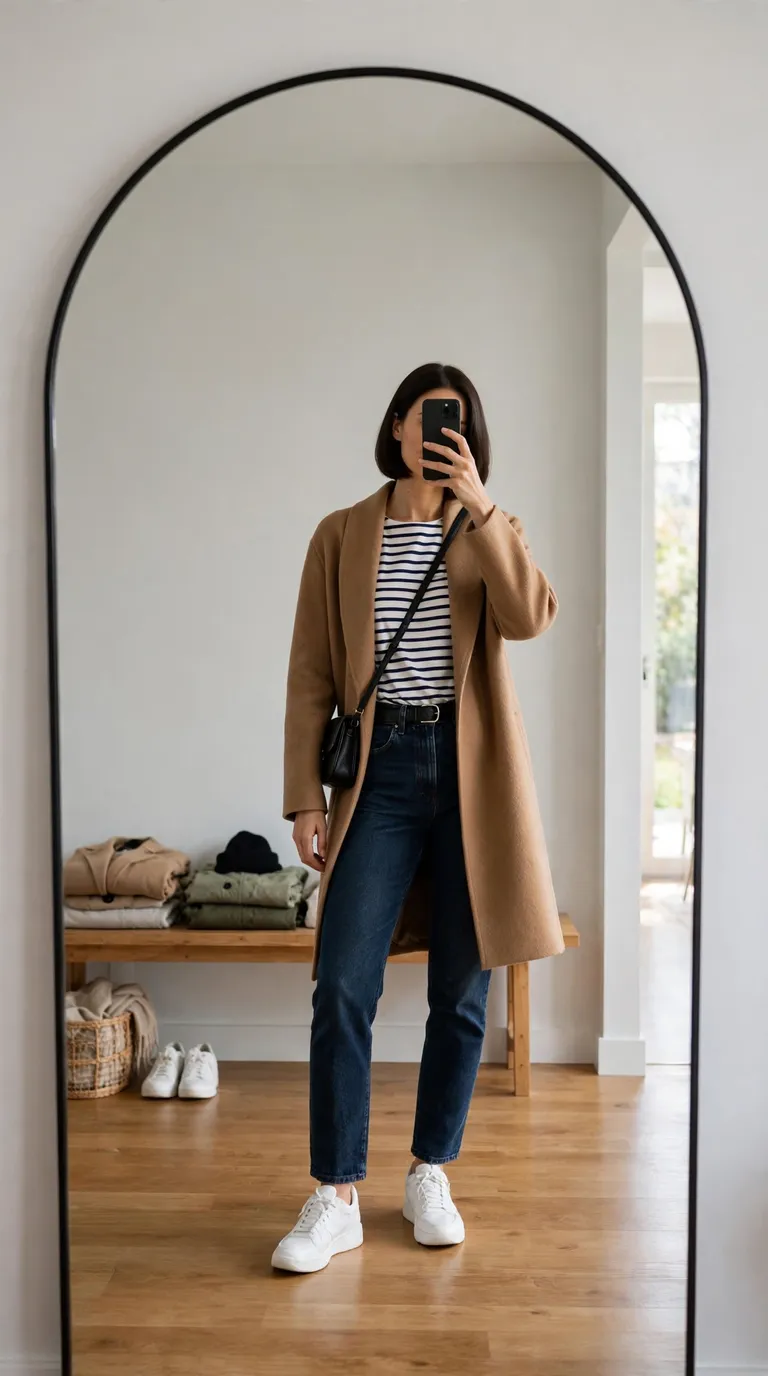
Impulse buys are where budgets quietly disappear. A simple rule fixes it: write down what your wardrobe actually needs, and do not buy anything that is not on it. Give yourself a cooling-off period of a few days for anything unplanned; most urges fade on their own.
The list turns vague temptation into a clear yes or no. When you know you need black trousers and you see a floral skirt, the decision makes itself. Discipline at the store is what makes every other tip in this list work.
“If it is not on the list, it does not come home. That one sentence has saved more wardrobes than any sale ever has.”
11. Style Basics Intentionally with Tucks and Cuffs
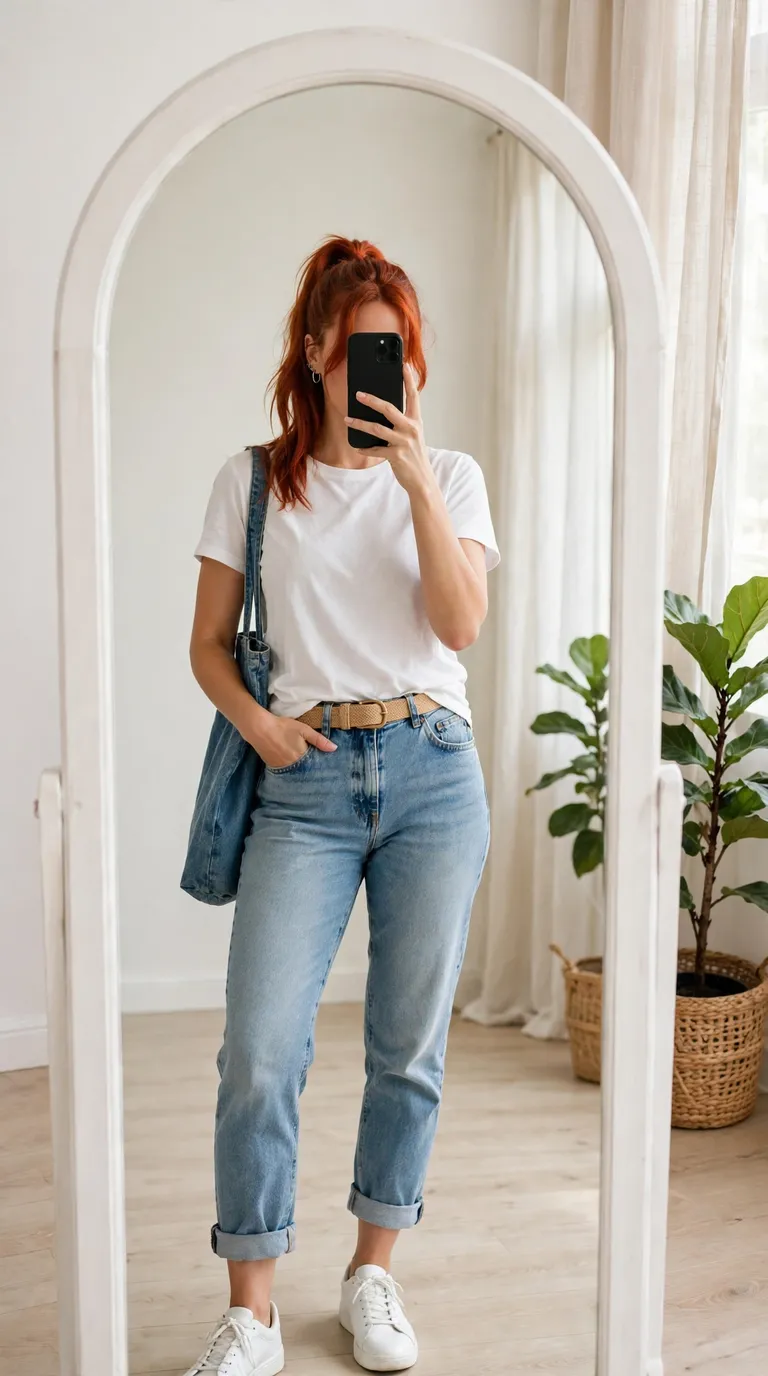
Basic pieces look basic until you style them on purpose. A half-tuck gives a plain tee shape, cuffed jeans show off your shoes, and rolled sleeves make a shirt read relaxed instead of sloppy. These tiny adjustments cost nothing and read as real styling.
Practice one trick at a time until it becomes habit. Soon your hands will tuck, roll, and cuff without thinking, and your simplest outfits will look styled by default.
12. Judge Every Purchase by Cost Per Wear
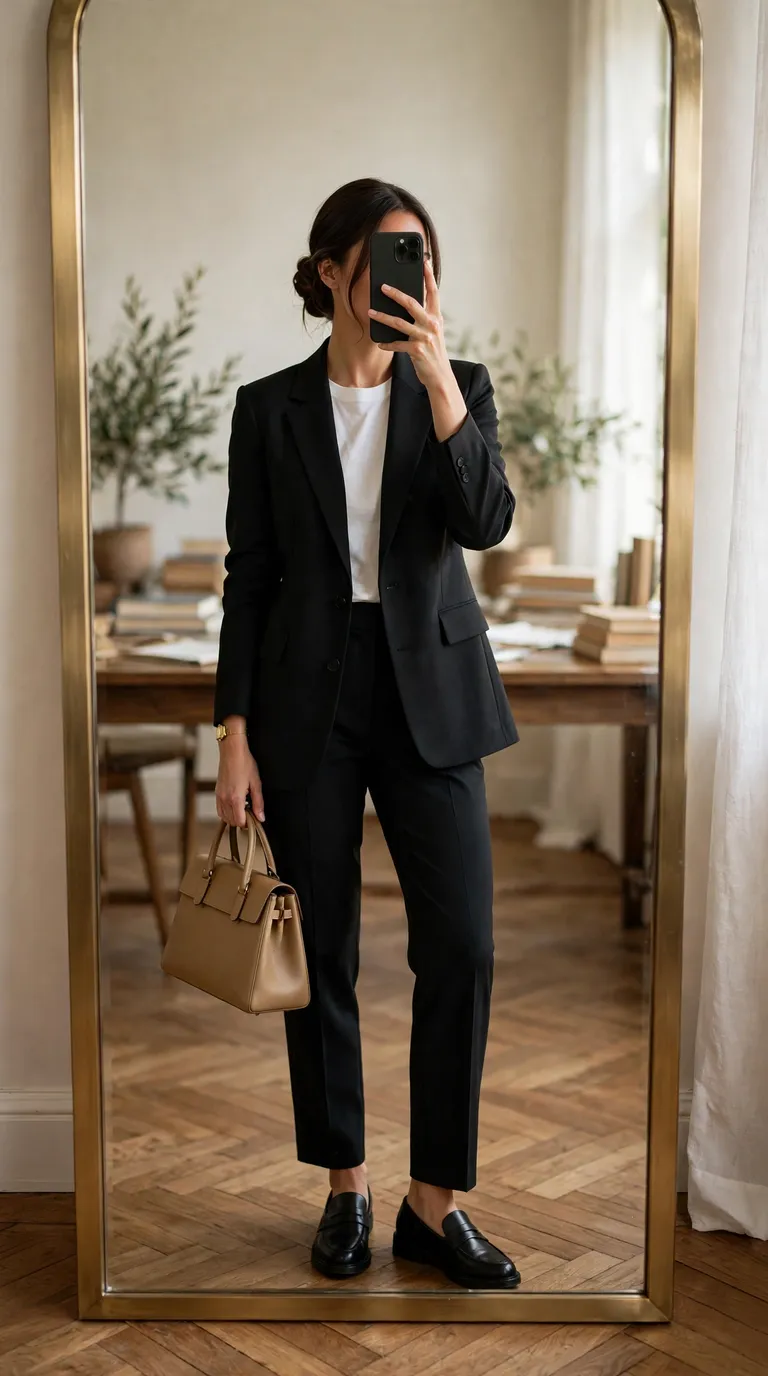
Before buying, estimate how often you will truly wear the piece. A sturdy jacket you will reach for weekly costs almost nothing per outing, while a trendy top worn twice costs far more each time. This simple habit is one of the most reliable ways to save money on fashion.
It also reframes quality. Paying a little more for a workhorse you will wear constantly is often cheaper in the long run than cycling through flimsy replacements. Let cost per wear guide the big calls and keep impulse buys out of the picture.
13. Host a Clothing Swap Instead of Shopping
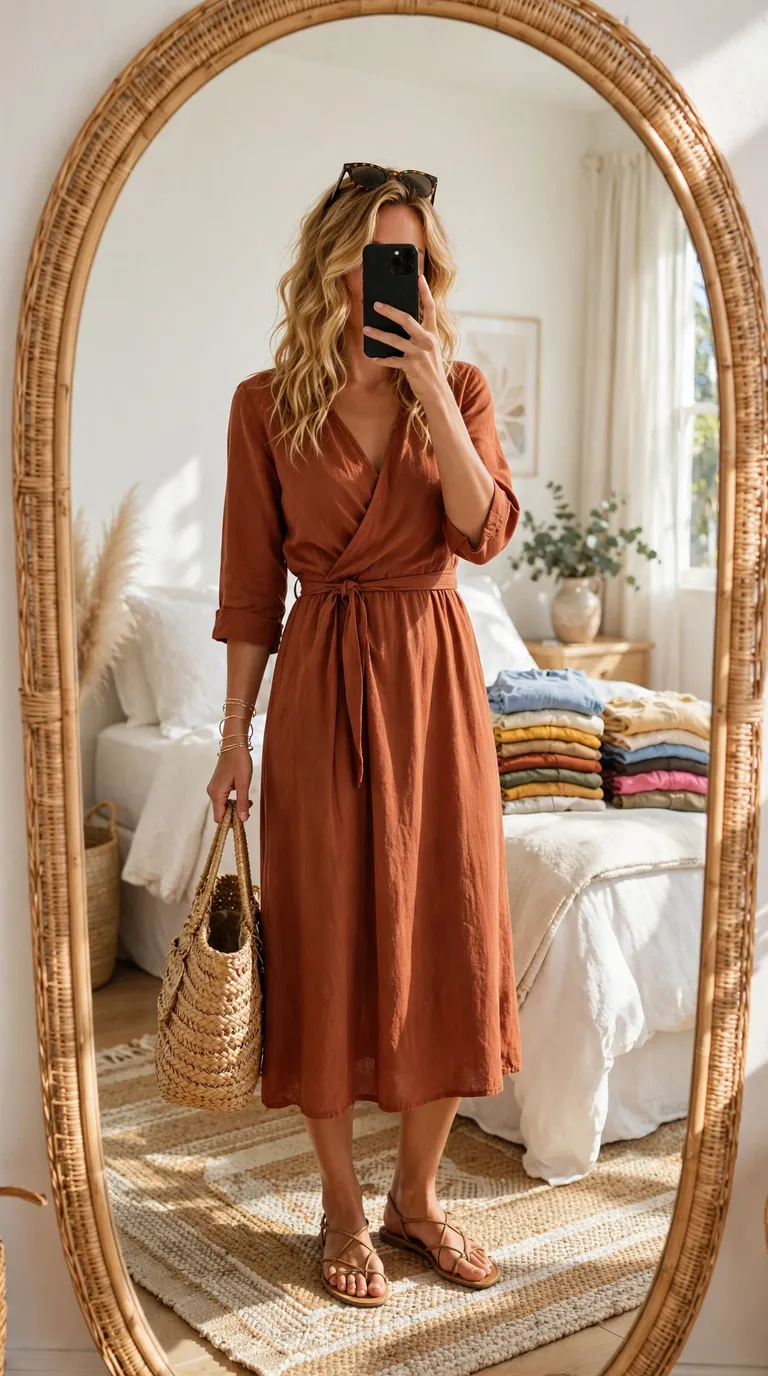
One person’s forgotten blazer is another’s new favorite. Clothing swaps with friends or local groups turn closet clutter into fresh pieces with zero spending. Everyone brings what they no longer wear and leaves with something new to them.
- Invite friends with similar sizes for the best trade options
- Bring clean, good-condition pieces only
- Set one rule: take only what you will actually wear
- Donate the leftovers instead of bringing them home
📅 Swap Success Ratings
👖
DENIM
★★★★★
🧥
COATS
★★★★★
👗
DRESSES
★★★★☆
14. Learn Simple DIY Alterations to Refresh Old Pieces
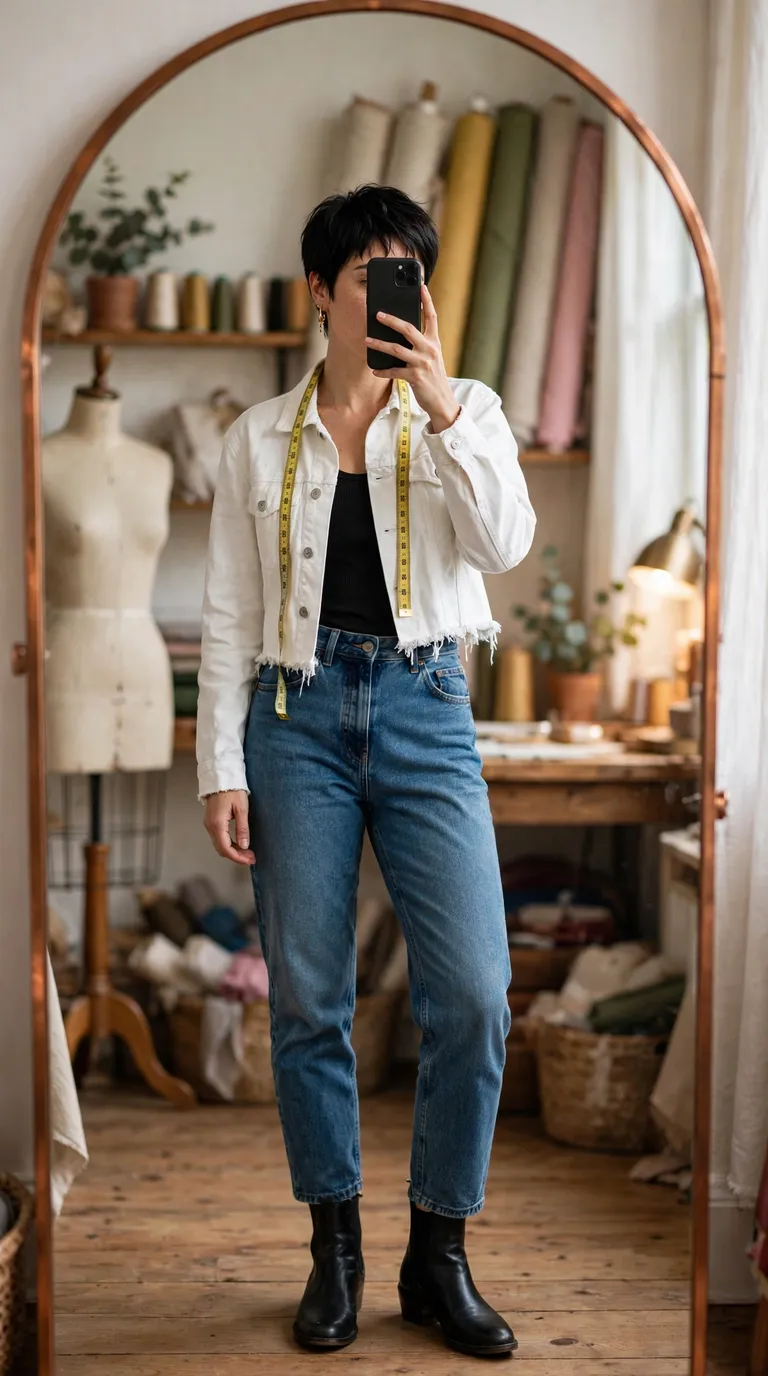
Small alterations transform how affordable clothes look and feel. Hemming trousers, cropping a long tee, or swapping buttons on a blazer takes minutes and makes pieces feel custom. You do not need advanced skills, just a needle, thread, and a little patience.
- Hem trousers or jeans that pool at the ankle.
- Crop a long tee or sweater to a better proportion.
- Replace plain buttons on a blazer or cardigan with nicer ones.
Stylist’s Note
Start with one thrifted piece you would not mind losing. Practicing on low-stakes garments builds the confidence to alter the keepers.
15. Rent or Borrow Outfits for One-Time Events
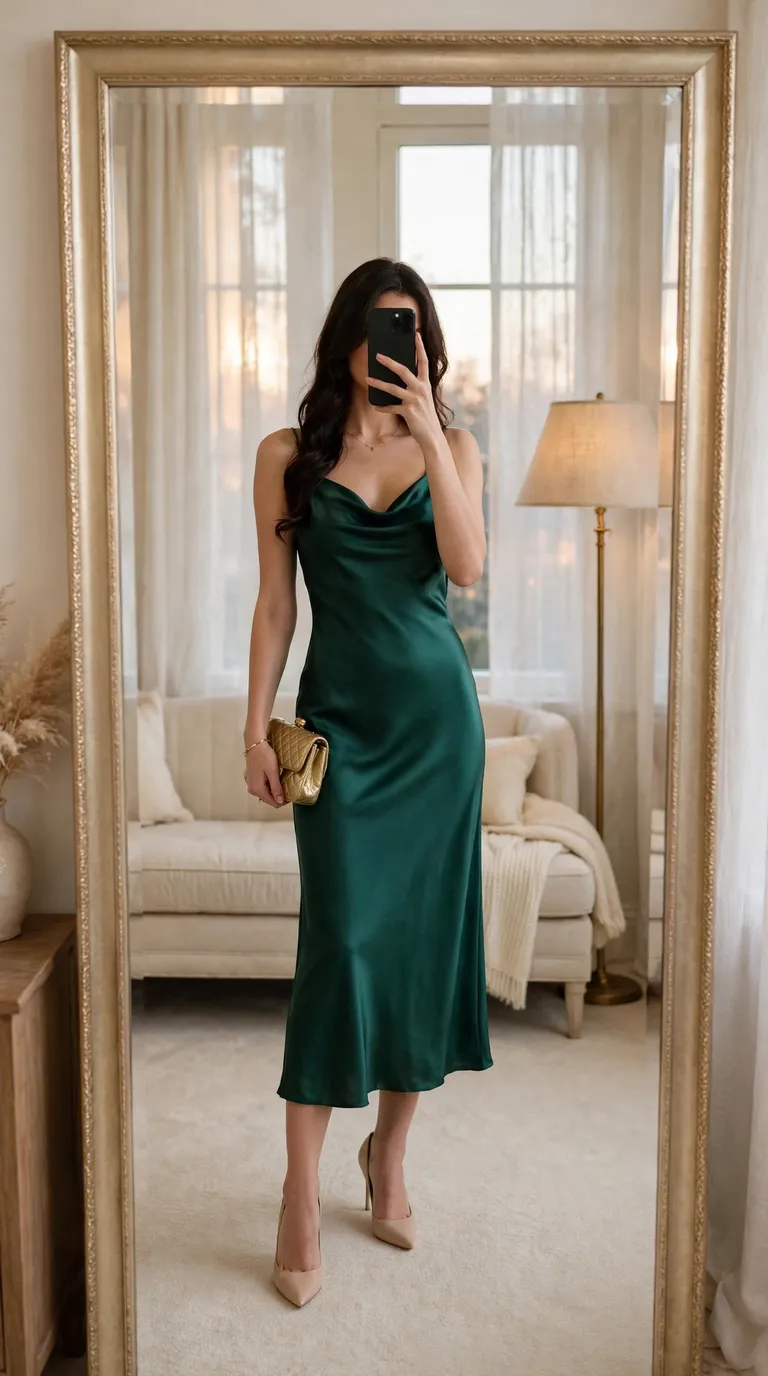
Formal dresses, occasion shoes, and statement pieces you will wear once are the worst buys in any budget. For weddings, galas, and parties, rent or borrow instead. You get the look for the night without the closet commitment.
Ask friends and family first; most people own beautiful pieces they rarely wear. Borrowing is free, and returning the favor keeps the exchange going. For wider options, local rental services carry current styles for a fraction of retail.
After the event, the dress goes back and your budget stays intact. Reserve your money for the everyday pieces you will wear on repeat, where every dollar works harder.
🎚️ Buy or Rent? The Slider
One-time event wear sits far toward rent: buy what you will wear weekly, rent what you will wear once.
Your Budget Style Playbook
Looking expensive on a small budget is a skill, not a shopping spree. The smart fashion tips for ladies on a budget in this list all point to the same truth: intention beats income. A tight palette, good fit, careful maintenance, and clever styling make affordable pieces perform far beyond their price.
Start with the two or three tips that fit your life right now. Build the capsule, audit the closet, mend what you own. These budget friendly wardrobe ideas work for every season and every closet size, and small, consistent habits compound into a wardrobe that always looks deliberate, polished, and entirely your own.
📌 Pin These Budget Fashion Tips Before Your Next Shopping Trip
Smart style is about decisions, not dollars. These fifteen tips will change how you shop, how you dress, and how far your budget stretches, starting with the very next outfit you put together.
Save this guide to your style board and pull it out whenever your closet needs a reset or your cart needs a second opinion. Your future self, and your wallet, will thank you.
Frequently Asked Questions
How can I look stylish on a budget?+
Focus on fit, a tight color palette, and simple styling tricks before buying anything new. Keep clothes clean, pressed, and mended, and lean on accessories to refresh repeat outfits. A small wardrobe of well-fitting neutrals looks more stylish than a crowded closet of random pieces, and it costs far less to build.
What are the best affordable fashion tips for women on a tight budget?+
Start by shopping your own closet, then build a capsule of mix-and-match neutrals so every piece works with the rest. Thrift selectively for sturdy basics, buy off-season, and judge purchases by cost per wear. Small habits like tailoring, layering, and intentional styling make affordable pieces look far more expensive without overspending.
How do I build a wardrobe on a budget from scratch?+
Begin with a capsule wardrobe on a budget: jeans in two washes, a white shirt, a black tee, a neutral knit, a blazer, and one versatile dress. Add only pieces that match everything you already own, and fill gaps from thrift stores or off-season sales. Buy the anchors first, then expand slowly as your list demands.
Can cheap outfits look expensive?+
Yes, because people read fit and finish before price. Cheap outfits that look expensive share the same traits: proper tailoring, pressed fabrics, lint-free knits, and intentional styling like tucks and cuffs. Tonal color schemes and one quality accessory, such as a structured bag, complete the illusion convincingly. Start with fit and care, and the rest follows naturally.
How do I stop buying clothes I never wear?+
Shop with a written list of wardrobe gaps and skip anything that is not on it. Before buying, ask which three outfits the piece joins; if you cannot answer quickly, put it back. A short cooling-off period kills most impulse buys, and tracking cost per wear makes you think twice about one-hit wonders.
What should I spend more on and what should I save on in my wardrobe?+
Spend more on high-rotation staples you will wear weekly: a blazer, good jeans, and a structured bag. Save on trend-led pieces, basic tees, and accessories like scarves and belts, which refresh outfits cheaply. For one-time event wear, neither: rent or borrow instead of buying at all. That split keeps your budget focused exactly where it matters most.