
8 Thrift Shopping Tips for Fashion Lovers: Better Outfits for Less Cash
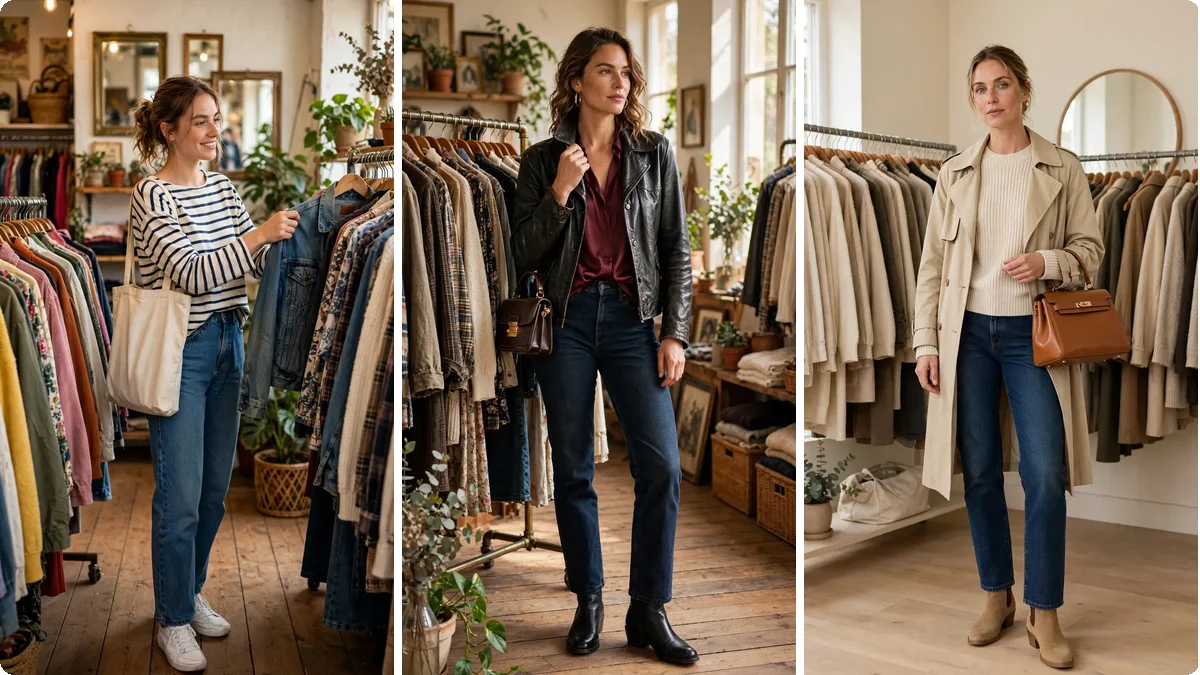
Thrift shopping tips for fashion lovers always come back to one idea: the best outfit in the room rarely costs the most. A rack of secondhand clothes holds interesting cuts, honest fabrics, and pieces no one else is wearing. You just need a plan.
Learning how to thrift clothes well changes the math of your wardrobe. These thrift shopping tips for fashion lovers cover what to look for, what to skip, and how to turn thrift store finds into outfits that look considered and current.
New to thrifting or already checking your favorite stores weekly, these strategies work the same. Small habits like shopping every department and checking seams first separate the great finds from the duds, and they cost nothing but a little extra attention.
Below are eight practical tips for fashion lovers who want better outfits for less cash. Each one comes with a styling note and a real scene to picture, so your next store run starts strong.
Table of Contents ▾
- 1. Shop the Whole Store, Not Just Your Section
- 2. Check the Fabric and Seams Before the Price Tag
- 3. Hunt for Leather, Wool, and Silk at Cotton Prices
- 4. Go Early and Go Often: a Thrift Shopping Tip for Fashion Lovers
- 5. Learn What to Tailor and What to Leave Alone
- 6. Build a Neutral Base Wardrobe From Secondhand Staples
- 7. Always Try Everything On: a Thrift Shopping Tip for Fashion Lovers
- 8. Sell and Swap What Doesn’t Work to Fund New Finds
- Your Thrift Game Plan
- Frequently Asked Questions
1. Shop the Whole Store, Not Just Your Section
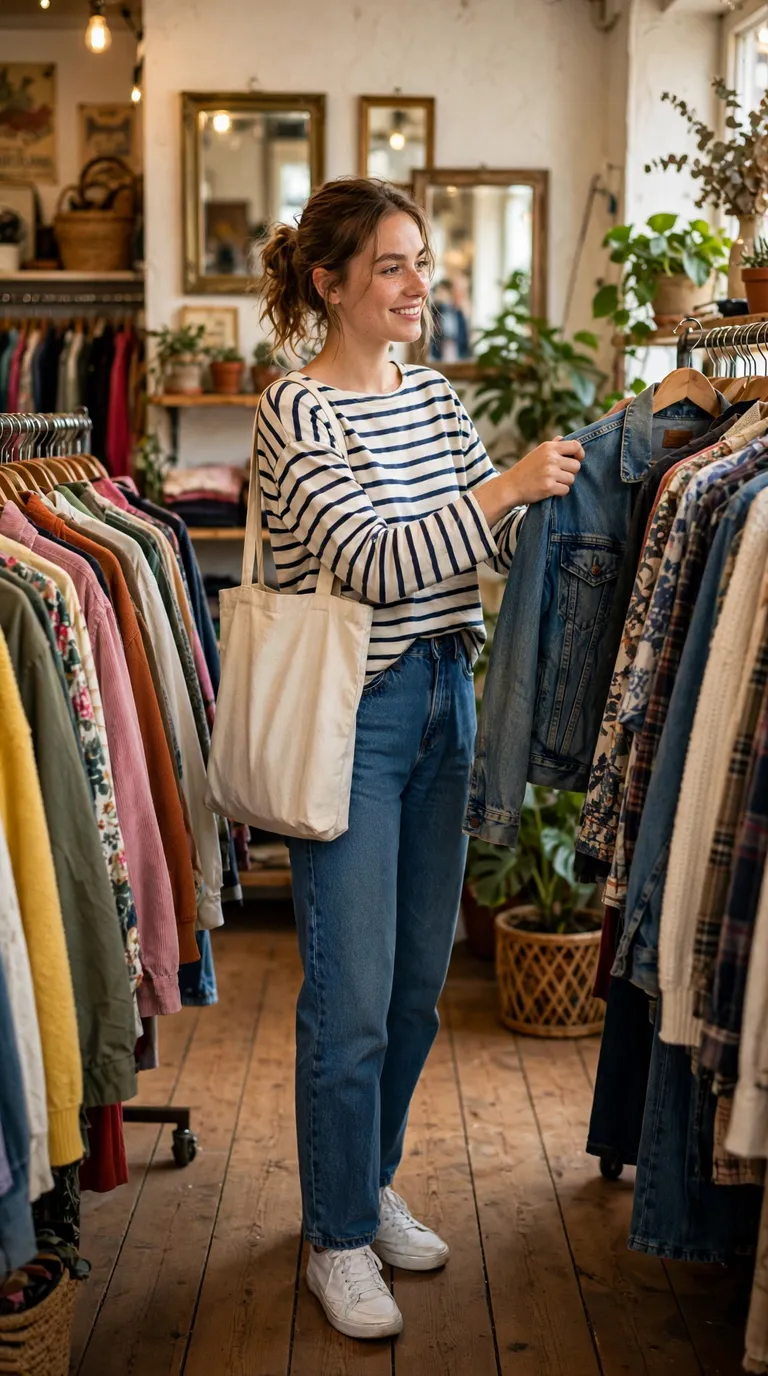
The best thrift store finds rarely sit where you expect. Menswear racks hide oversized blazers and crisp shirts, the plus-size section holds flowing skirts, and the home corner sometimes has silk scarves worth wearing as tops. Fashion lovers who thrift across the whole store double their chances.
- Scan the menswear racks for structured blazers, wool sweaters, and sturdy outerwear that layers over anything.
- Check the shoe wall even when you need nothing; quality leather pairs turn up in odd sizes.
- End with the accessories wall: belts, scarves, and bags finish secondhand outfit ideas fast.
🧭 Right vs Wrong
Shop every department, including menswear and plus-size: sizes and cuts surprise you, and the best pieces hide where few people look.
Head straight to your usual section: you will walk right past the most interesting thrift store finds in the building.
2. Check the Fabric and Seams Before the Price Tag
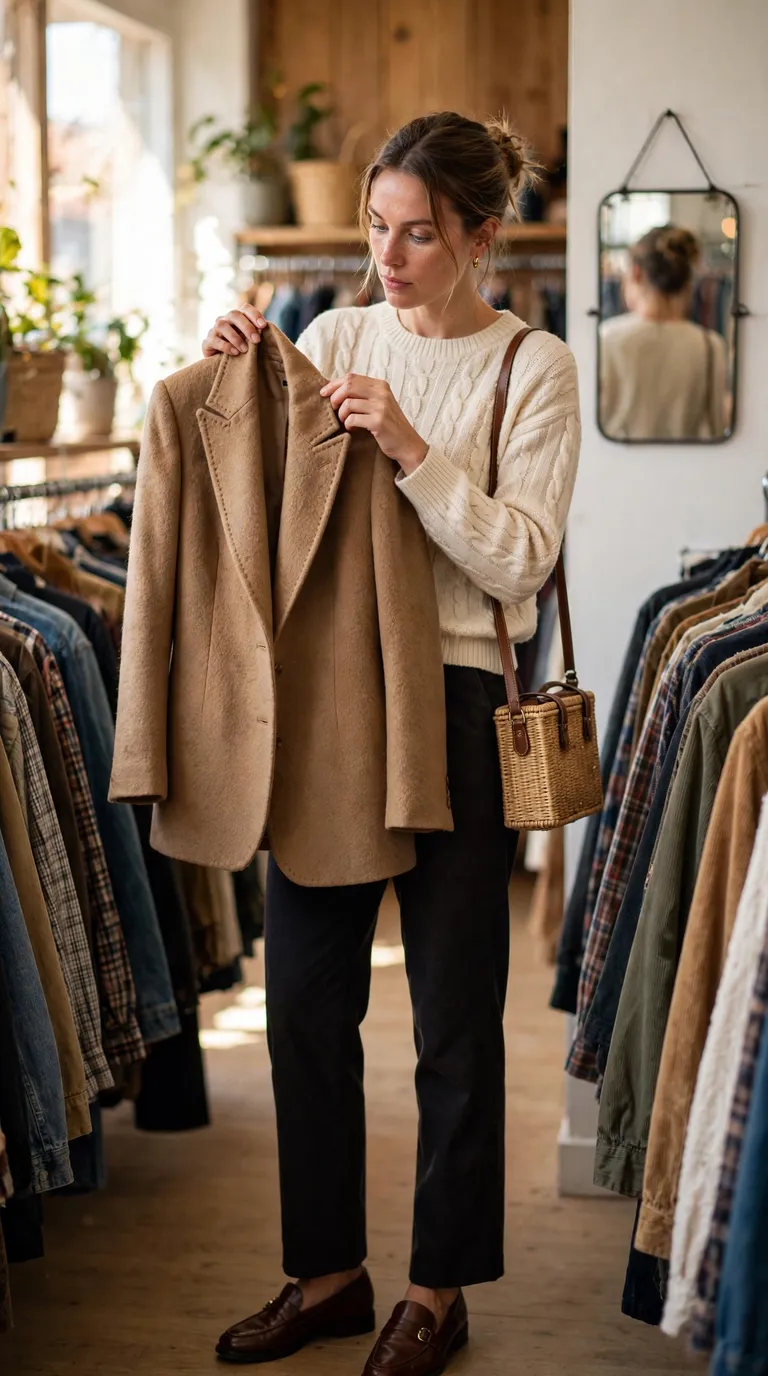
Thrifted pieces have no return policy, so your eyes do the quality control. Natural fabrics like wool, silk, cotton, and leather age gracefully, while thin synthetics pill and sag. Feel the weight of the fabric, stretch a seam gently, and look for linings in jackets and skirts.
Flip the garment and study the seams. Straight, tight stitching means the piece was well made and will survive years of wear. Loose threads, puckered hems, and missing buttons are warnings, unless you sew or plan a tailor visit.
This habit takes thirty seconds and makes every budget fashion tip on this list work harder. A heavy wool coat with clean seams beats a brand-new-feeling fast-fashion jacket every time.
🧵 Fabric Spotlight
🧶
Tight Weaves
Wool blazers, silk blouses, and cotton denim hold their shape for years of regular wear.
🪡
Straight Seams
Even stitching at shoulders and hems signals a garment that was built to last.
3. Hunt for Leather, Wool, and Silk at Cotton Prices
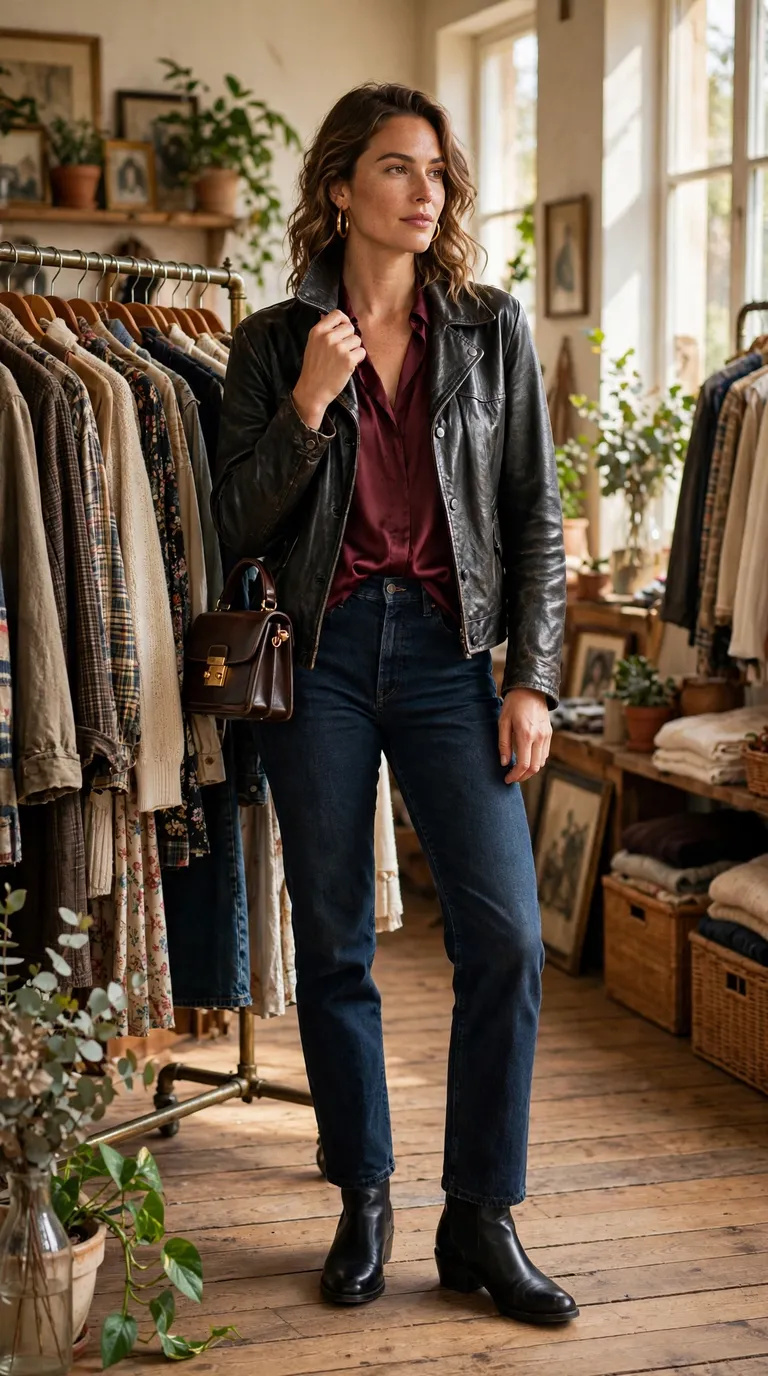
Certain materials are almost always worth the secondhand gamble. Real leather, wool, cashmere, and silk start life expensive, so finding them at thrift prices is where budget fashion tips pay off fastest. Learn the touch of each: leather feels warm, wool has bounce, silk slips cool through your fingers.
- Head to the jacket and coat section first; that is where leather and wool concentrate.
- Run the pinch test: scrunch a corner of fabric and release. Quality fibers spring back, cheap ones stay creased.
- Check labels for fiber content before you celebrate; blends with high natural content still count as wins.
THE RULE
Buy the fabric, not the label. A no-name wool coat outlasts a logo tee from a trendy brand.
4. Go Early and Go Often: a Thrift Shopping Tip for Fashion Lovers
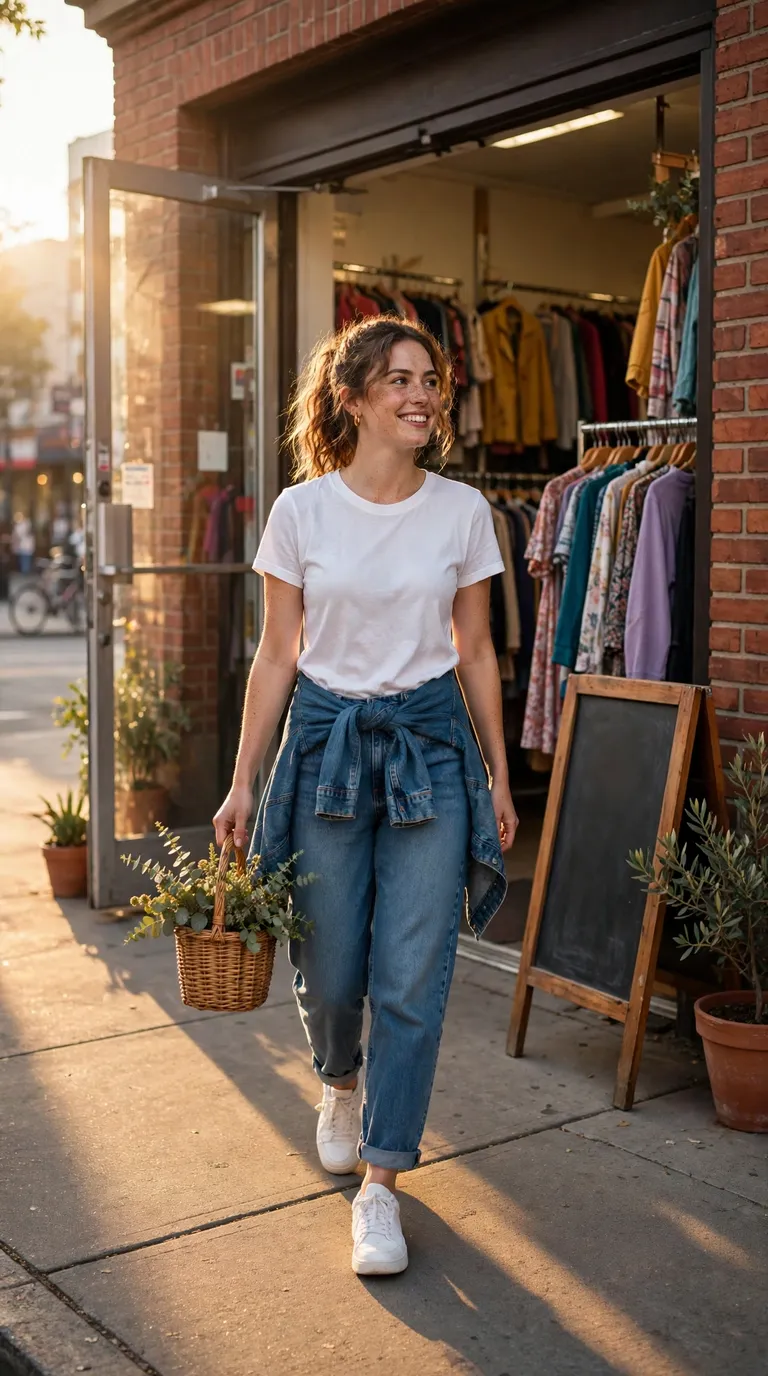
Fresh stock is the engine of every thrift store. Many shops restock overnight or in the early morning, which means the first shoppers see untouched racks. The most repeated thrift shopping tips for fashion lovers all start with timing.
Frequency matters as much as the hour. A ten-minute browse twice a week beats one long monthly trip, because turnover is constant. You train your eye, learn your store’s rhythm, and stop missing the pieces that sell within hours.
Quick rule of thumb: if you love the store, visit often enough that the staff start recognizing you.
🛒 The Store-Run Routine
STEP 1
Scan the new-arrivals rack first
STEP 2
Walk the full store loop once
STEP 3
Deep-dive only the promising racks
5. Learn What to Tailor and What to Leave Alone
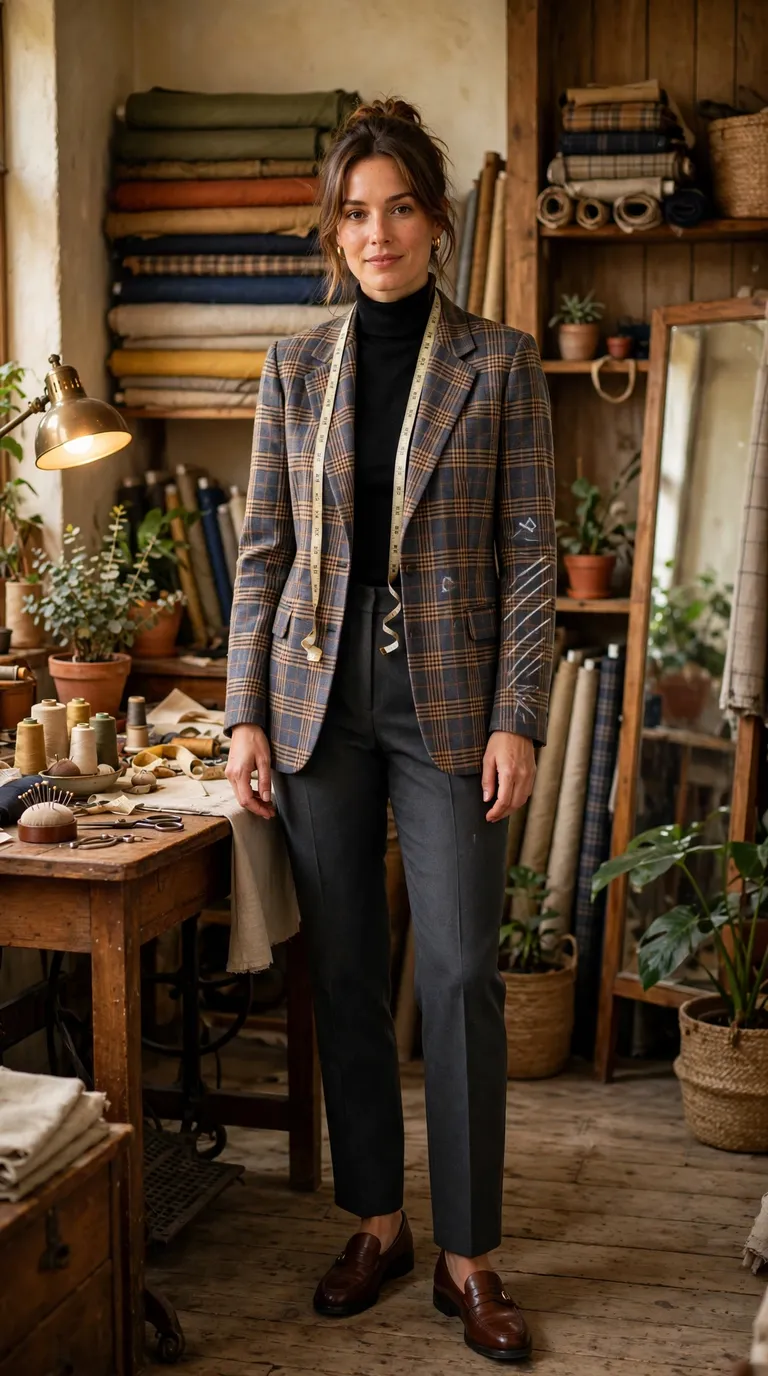
A ten-dollar blazer that fits everywhere except the sleeves is not a problem, it is an opportunity. Simple alterations like hemming, taking in a waist, or narrowing sleeves turn almost-right thrift store finds into pieces that look made for you.
- Worth altering: long hems, roomy waists, sleeves that need shortening, skirts that need taking in.
- Leave alone: shoulders that droop, gaping necklines, broken zippers on lined jackets, and stained silk.
- When in doubt, snap a photo and ask a tailor before you buy; most will tell you honestly what is fixable.
🔁 Not a Perfect Fit? Try This
INSTEAD OF
Leaving the almost-right blazer on the rack
SWAP IN
Buy it and get the sleeves shortened
A simple sleeve hem costs little, and the jacket ends up fitting like it was cut for you.
6. Build a Neutral Base Wardrobe From Secondhand Staples
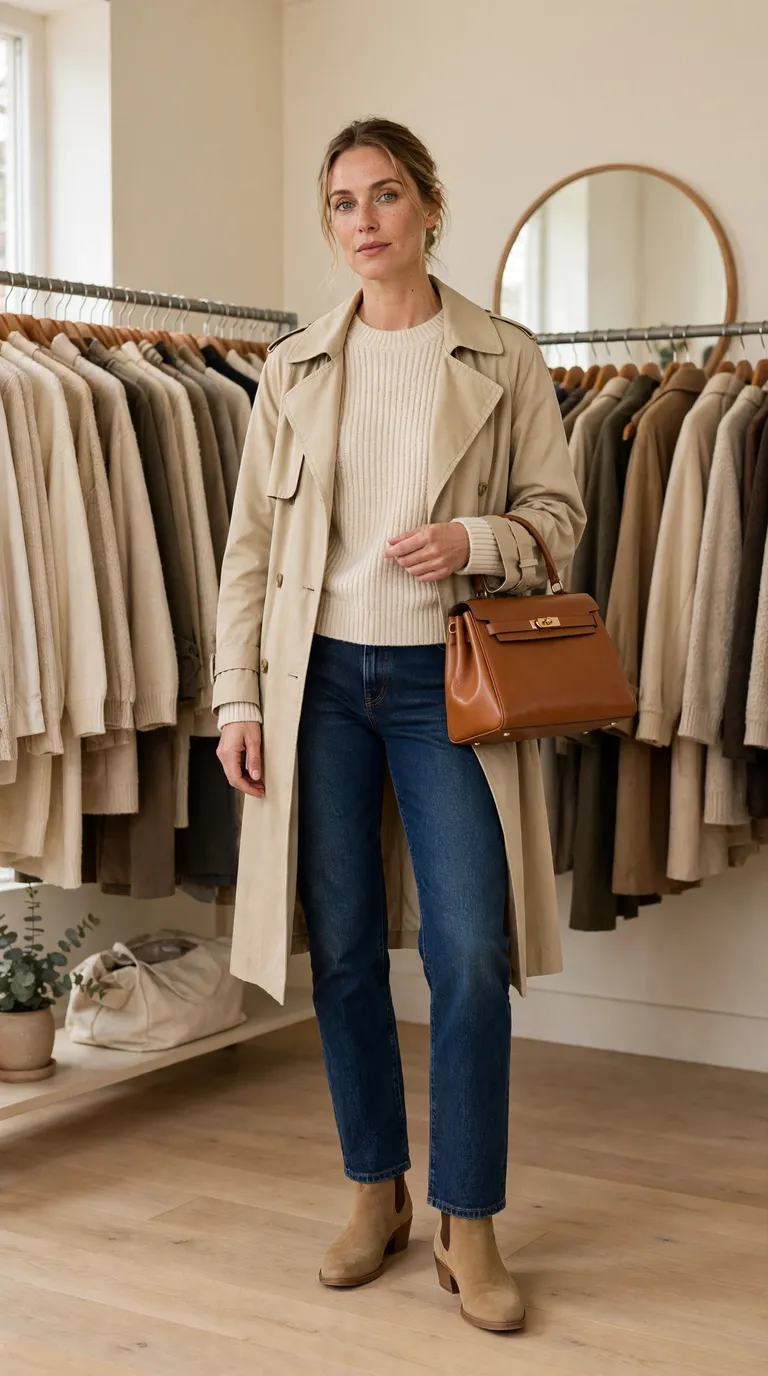
Random one-off pieces make a confusing closet. A better thrift shopping tip for fashion lovers: build a base of neutral secondhand staples first, then add the fun prints and statement pieces. Neutrals mix with everything, so each new find multiplies your outfits instead of sitting alone.
Hunt these first: dark jeans, a cream or black knit, a camel or navy blazer, a beige trench, and simple leather shoes. These are the pieces thrift stores hold in abundance, and they form the backbone of endless secondhand outfit ideas.
Once the base is set, every bold thrift store find has somewhere to live. A vintage printed blouse stops being risky when three neutral bottoms already wait for it.
🧾 The 4 Staples
KNIT
Cream or black knit sweater
DENIM
Dark straight-leg jeans
OUTER
Camel blazer or beige trench
SHOES
Simple leather flats or loafers
7. Always Try Everything On: a Thrift Shopping Tip for Fashion Lovers
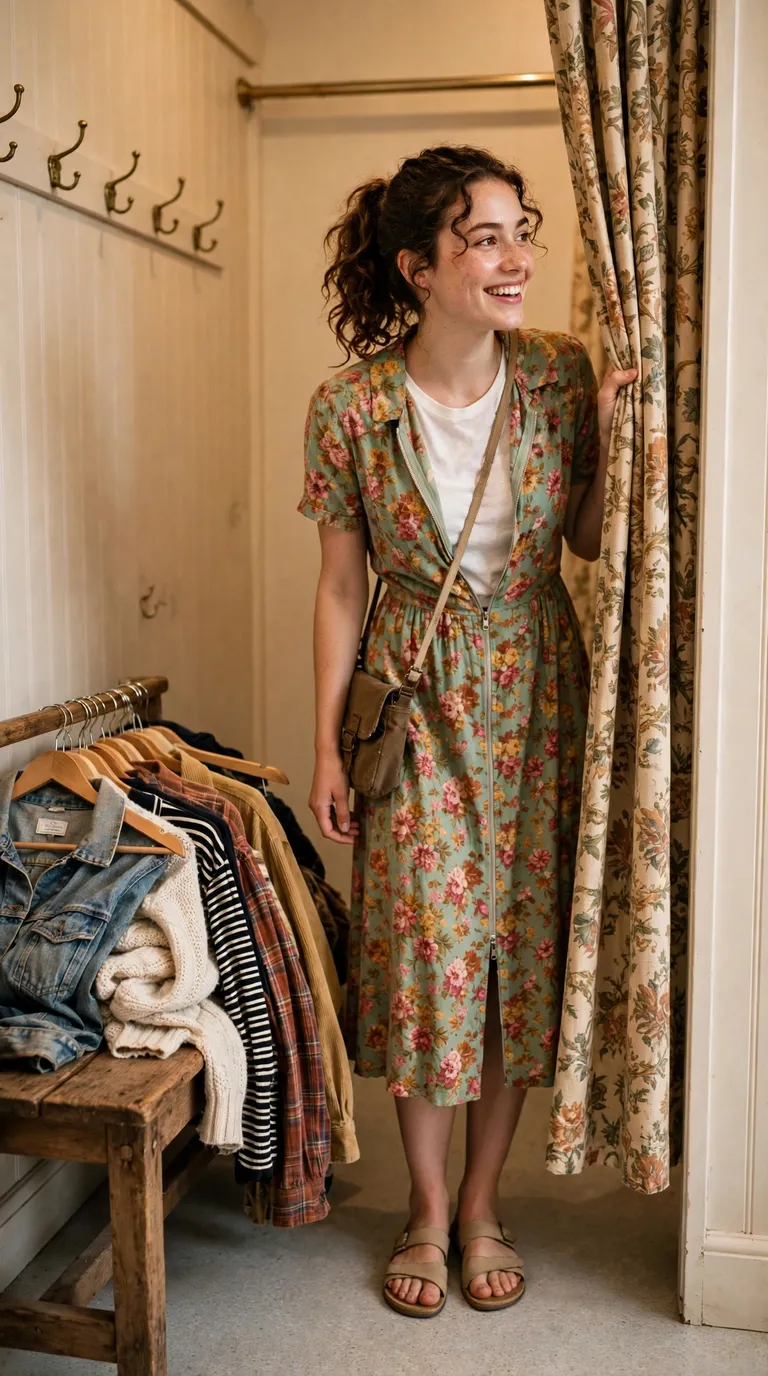
Vintage sizing is a lawless land. A tag that says size 10 could fit like a 6 or a 14, and cuts vary wildly by era. Trying everything on is the single most useful habit for thrifting for beginners, because the mirror settles what the tag cannot.
- Bring a thin base layer so you can try tops over it without waiting for a fitting room.
- Check the fit from the side and back, not just the front; shoulders and seat tell the truth.
- Walk, sit, and raise your arms; if it pulls or gapes now, it will annoy you forever.
⚠️ Mistakes to Avoid
- Buying your usual size without trying it on. Vintage and thrift sizing runs anywhere.
- Skipping the mirror check in daylight. Fitting-room bulbs flatter everything.
- Keeping a piece that needs fixing when you know you will never fix it.
8. Sell and Swap What Doesn’t Work to Fund New Finds
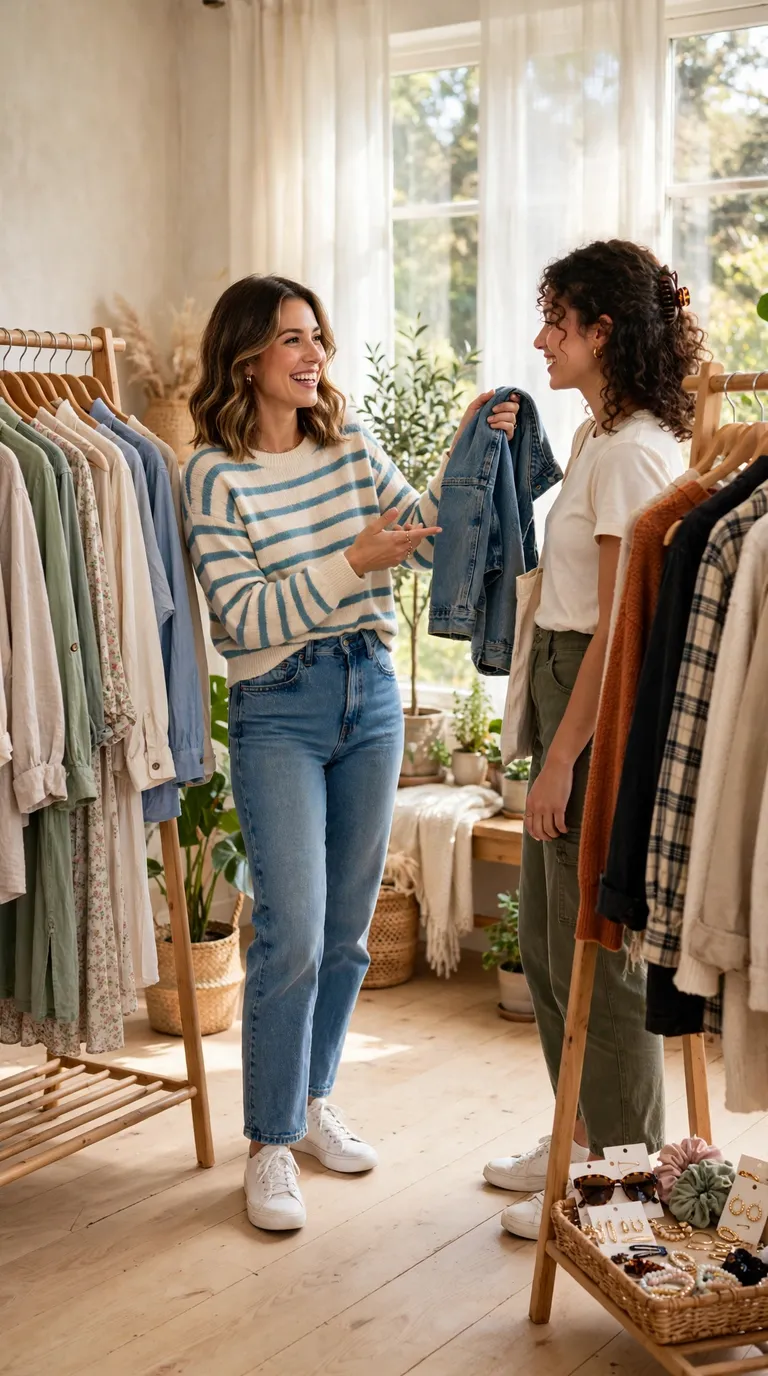
Every thrifter accumulates misses. Instead of letting them crowd your closet, move them out. Clothing swaps with friends, local buy-and-sell groups, and consignment turn your castoffs into credit for better thrift store finds.
This keeps your thrifted wardrobe lean and funded. One bag of sold pieces often pays for a whole new haul, which is the quiet engine behind the best vintage shopping tips: shop often without spending much.
Set a simple rule: one piece leaves for every two that arrive. Your closet stays edited by what you actually wear, not by guilt.
♻️ The Swap Cycle
One bag of thrift misses
Sell or swap them
Fund the next haul
= A self-funding thrifting habit: castoffs become credit for better thrift store finds.
Your Thrift Game Plan
Thrift shopping tips for fashion lovers work because they change how you shop, not just what you buy. Shop the full store, check fabrics and seams, arrive early, tailor the almost-perfect pieces, build on neutrals, try everything on, and keep the cycle moving with swaps and sales. That is the whole playbook.
Your next store run will feel different with these habits in place, because you will stop guessing and start choosing. Pin these secondhand outfit ideas to your board, head out this week, and see what the racks are holding for you.
📌 Save These Thrift Tips Before Your Next Store Run
The best thrift store finds disappear fast, and this guide is too handy to lose. Pin it now so your eight thrift shopping tips for fashion lovers are waiting the next time you walk past the racks.
Bookmark this post for your next thrifting trip and share it with the friend who always asks how you dress so well for so little.
Frequently Asked Questions
How do you start thrifting clothes for beginners? +
Start with a short list of gaps in your wardrobe so you browse with purpose instead of buying at random. Shop every department, try everything on because vintage sizing is unreliable, and check fabrics and seams before you buy. Visit twice a week in short trips rather than once a month; you will learn your store’s rhythm fast and start spotting quality pieces with confidence.
What should I look for when thrift shopping for clothes? +
Look for quality fabrics first: wool, silk, cashmere, leather, and heavy cotton age far better than thin synthetics. Check for straight seams, intact linings, working zippers, and original buttons. Prioritize classic cuts in neutral colors, since those mix with everything you own. A well-made thrift store find in a timeless shape is always a safer buy than a trendy piece in cheap fabric.
How can I make thrifted clothes look expensive? +
Fit is what separates thrifted from polished, so tailor pieces that are almost right and steam or press everything before wearing. Build outfits on neutral bases and let one vintage or statement piece carry the look. Keep shoes clean, swap in a good belt, and iron out wrinkles. These thrift store styling habits make secondhand outfits read as intentional rather than accidental.
What should you never buy secondhand for your wardrobe? +
Skip underwear, swimwear, and anything with stains, odors, or damage you cannot fix. Pass on pilled knits, stretched-out elastic, and worn-out shoes that cannot be resoled, since those rarely improve. Broken zippers on lined jackets and cracked leather are also red flags. If a piece needs more repair than it is worth, leave it on the rack for someone with the right skills.
How do you know if a thrift store find is good quality? +
Feel the fabric: quality pieces have weight, bounce back when scrunched, and show tight, even weaves. Turn the garment inside out and check that seams are straight and finished, linings are intact, and buttons are sewn on firmly. Read the fiber label; natural fibers like wool, silk, cotton, and leather hold up far longer. These thirty-second checks beat guessing every time.
Is it cheaper to thrift or buy new clothes on a budget? +
Thrifting usually wins for quality per dollar, because you get premium fabrics and construction at a fraction of their original cost. New budget clothing costs little but wears out fast, while a thrifted wool coat can last for years. The tradeoff is time: thrifting takes patience and regular visits. Combine both strategies, thrift for staples and quality pieces, and buy new only what you cannot find secondhand.